






What's Happening?
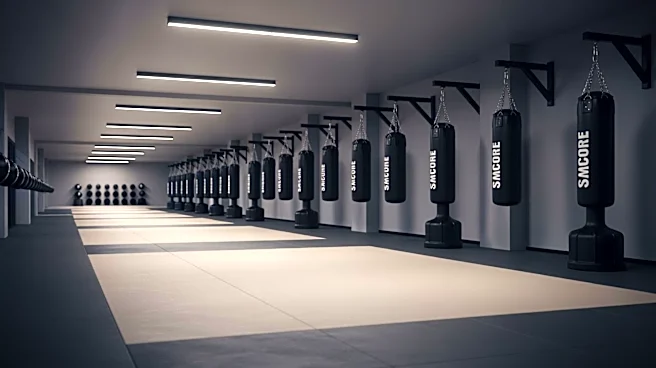
Khabib Nurmagomedov, a former UFC lightweight champion, has publicly refuted claims made by fellow fighter Arman Tsarukyan regarding the funding of his gym in Dagestan. Tsarukyan alleged during a podcast appearance that Russian President Vladimir Putin
had financed one of Nurmagomedov's gyms as part of a broader government initiative to support successful athletes. Nurmagomedov responded on social media, asserting that no external parties, including the Russian government, have ever funded his ventures. He clarified that the gym in question was financed through his earnings from his fight with Conor McGregor. Nurmagomedov's statement aims to dispel rumors and affirm his financial independence in his business endeavors.
Why It's Important?
This development highlights the intersection of sports, politics, and personal reputation. Nurmagomedov's denial of government funding is significant as it addresses potential misconceptions about his financial independence and the role of state support in his career. The claim by Tsarukyan, if left unchallenged, could have implications for Nurmagomedov's image, suggesting undue influence or favoritism by the Russian government. By clarifying the source of his gym's funding, Nurmagomedov seeks to maintain his reputation as a self-made athlete and entrepreneur. This incident also underscores the broader narrative of how governments may support athletes, which can influence public perception and athlete-government relations.
What's Next?
While Nurmagomedov has addressed the claims, the situation may prompt further discussions or statements from involved parties, including Tsarukyan or representatives of the Russian government. The incident could lead to increased scrutiny of how athletes are supported by their governments, particularly in countries where sports figures are seen as national symbols. Nurmagomedov's future endeavors in sports and business may continue to be observed for any perceived connections to state support, influencing how he navigates his post-competition career.
Beyond the Headlines
The controversy touches on broader themes of national pride and the role of athletes as cultural ambassadors. In countries like Russia, where sports figures often hold significant cultural influence, the perception of government support can be both a point of pride and a source of controversy. This incident may also reflect on the broader dynamics of sports diplomacy, where athletes' successes are intertwined with national identity and international perception.