


What's Happening?
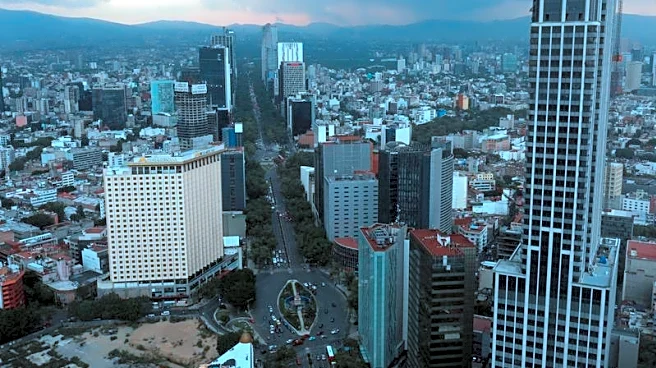
Mexico is emerging as a key destination for nearshoring, a strategy that relocates production closer to target markets for geopolitical and logistical reasons. This shift is largely due to Mexico's integration into the USMCA, its proximity to the United
States, and its robust manufacturing infrastructure. However, attracting foreign investment requires careful legal and corporate structuring to mitigate regulatory, corporate, and operational risks. The Foreign Investment Law in Mexico generally allows foreign participation in Mexican companies, but strategic analysis is necessary to navigate regulatory complexities. Key considerations for structuring include investor numbers, share issuance, transfer restrictions, and international tax planning. Additionally, the concentration of investment in northern and central Mexico is straining infrastructure and increasing real estate costs, impacting strategic decisions like office location and operational design.
Why It's Important?
The nearshoring trend presents significant opportunities for Mexico to boost its economy by attracting foreign capital. However, the success of these investments hinges on the country's ability to provide a stable and compliant corporate environment. Poorly structured investments can lead to corporate conflicts, regulatory issues, and reputational damage, deterring future investors. Conversely, well-structured investments can enhance operational stability and investor confidence, potentially leading to increased economic growth and job creation. The pressure on infrastructure and competition for talent also highlights the need for strategic planning to ensure sustainable development.
What's Next?
For Mexico to capitalize on nearshoring opportunities, it must address infrastructure challenges and enhance its regulatory framework to support foreign investment. This includes improving corporate governance standards and ensuring compliance with international norms. As the demand for nearshoring grows, Mexico may need to invest in infrastructure development and workforce training to meet the needs of foreign investors. Additionally, ongoing dialogue between the government and private sector will be crucial to identify and address potential barriers to investment.
Beyond the Headlines
The nearshoring trend in Mexico could lead to broader economic shifts, including increased regional integration and a more diversified economy. By strengthening its position as a manufacturing hub, Mexico could reduce its economic dependence on traditional sectors and enhance its global competitiveness. However, this transition also poses ethical and social challenges, such as ensuring fair labor practices and environmental sustainability. Addressing these issues will be essential to maintaining investor confidence and achieving long-term economic growth.