






What's Happening?
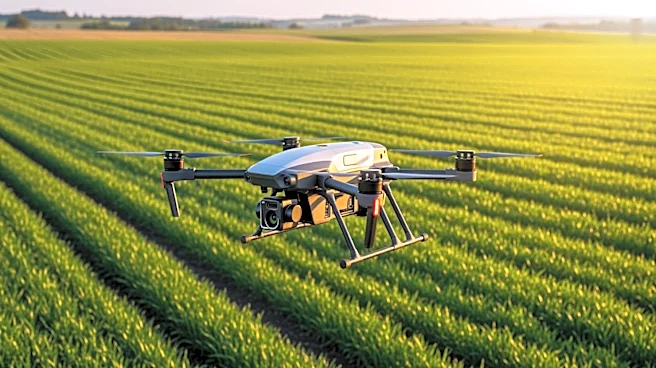
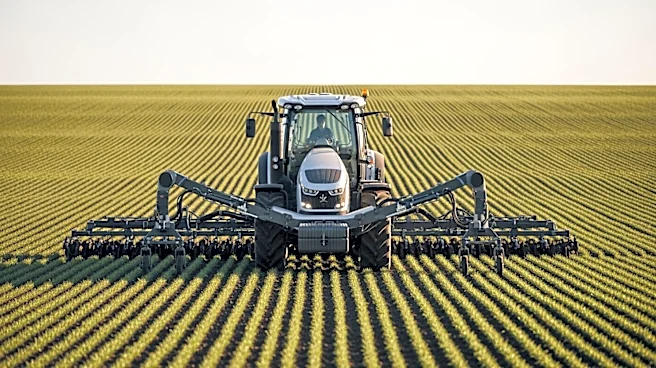
The precision agriculture market is experiencing significant growth as farmers and agribusinesses increasingly adopt advanced technologies to enhance productivity and sustainability. According to a report by The Business Research Company, the market size
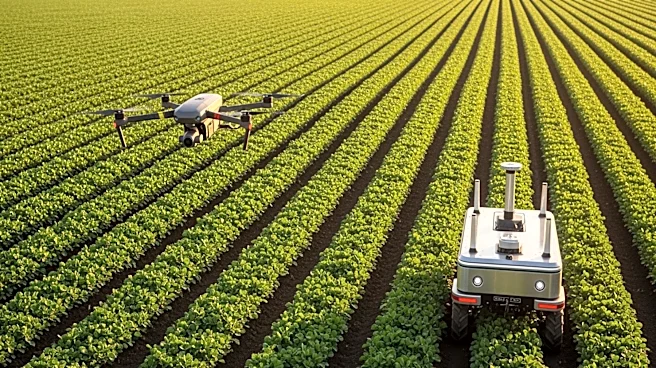
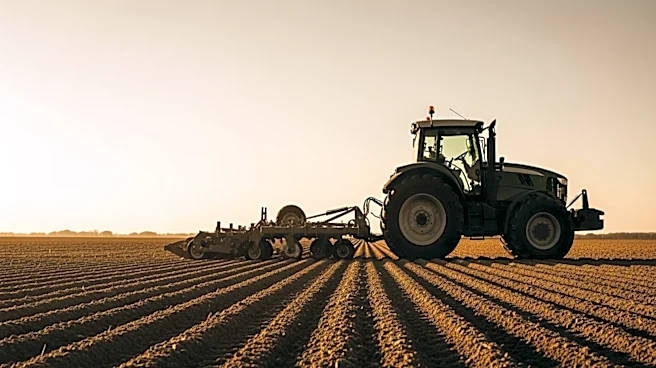
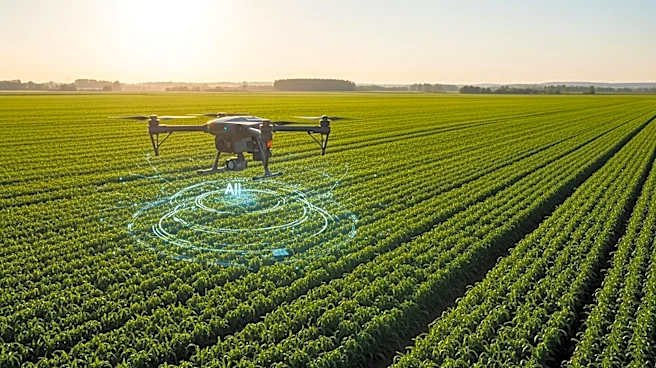
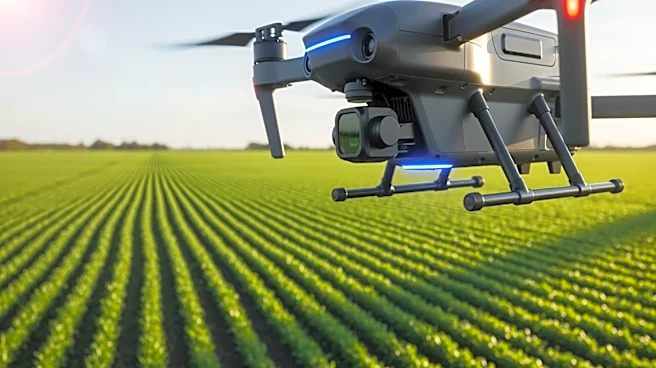
is projected to grow from $9.37 billion in 2025 to $10.54 billion in 2026, with a compound annual growth rate (CAGR) of 12.5%. This growth is driven by advancements in GPS-based field mapping, remote sensing technologies, and yield monitoring systems. The market is expected to reach $16.72 billion by 2030, fueled by the demand for real-time farm data, autonomous machinery, and AI-powered farm analytics. The report highlights the urgent need for sustainable food production as the global population is projected to reach 10 billion by 2050, necessitating a 60% increase in food production.
Why It's Important?
The expansion of the precision agriculture market is crucial in addressing the challenges posed by a growing global population and climate change. By leveraging data and technology, precision agriculture enables farmers to optimize resource use, reduce waste, and improve crop yields. This approach not only enhances profitability but also contributes to environmental sustainability. The increasing adoption of precision agriculture technologies is expected to play a vital role in meeting the rising food demand, thereby supporting global food security. Additionally, the growth of this market presents significant opportunities for technology providers and agribusinesses to innovate and expand their offerings.
What's Next?
As the precision agriculture market continues to grow, further advancements in technology and data analytics are anticipated. The integration of AI and machine learning in farm management systems is expected to enhance decision-making and operational efficiency. Additionally, the expansion of cloud-based platforms will facilitate better data sharing and collaboration among stakeholders. The Asia-Pacific region is projected to experience the fastest growth, driven by increasing investments in agricultural technology and infrastructure. Policymakers and industry leaders are likely to focus on promoting sustainable farming practices and supporting the adoption of precision agriculture technologies to ensure long-term food security.