

What's Happening?
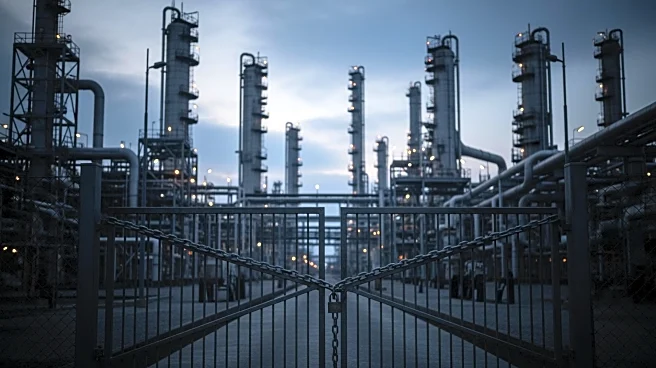
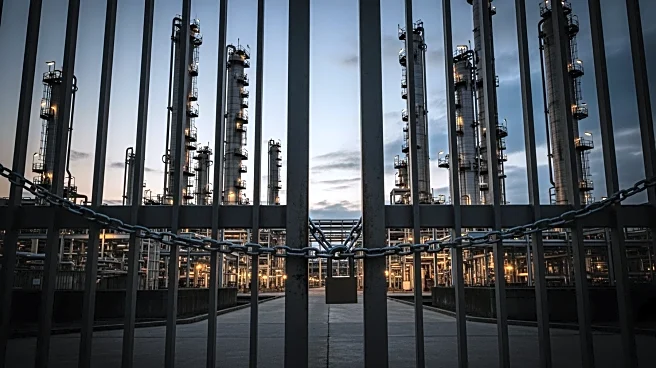
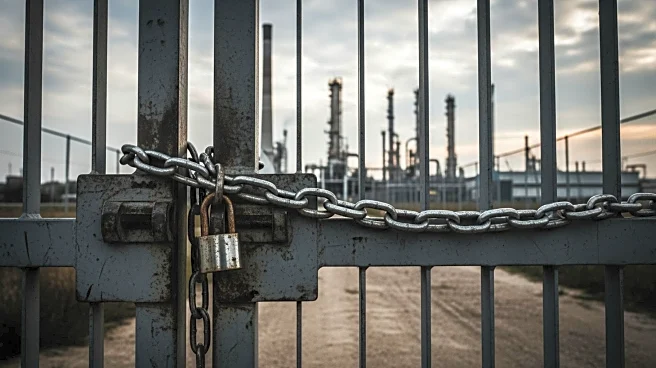
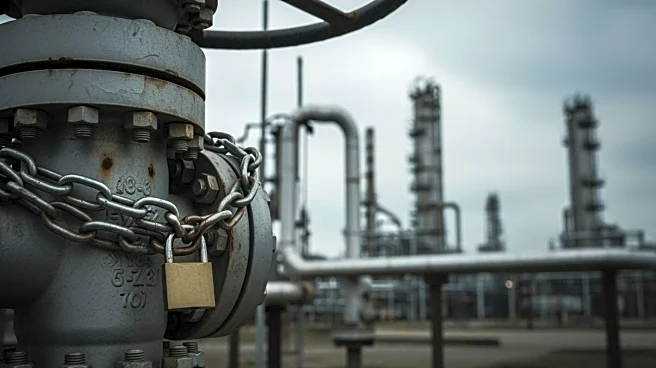
United Steelworkers (USW) members began picketing outside BP's Whiting refinery following a lockout affecting over 800 union members. The lockout was initiated by BP after the company and the union failed to reach a contract agreement. BP provided notice
to cancel the 24-hour rolling contract extension and sought a commitment from the union for a safe handover of operations. The company claims the union has not meaningfully negotiated proposals critical to the refinery's sustainability. USW members, including President Eric Schultz, expressed concerns about BP's intentions and the safety of using replacement workers. The union has been preparing for a potential lockout or strike since February.
Why It's Important?
The lockout at BP's Whiting refinery highlights ongoing labor disputes in the U.S. energy sector. The conflict underscores tensions between labor unions and management over contract negotiations, job security, and working conditions. The use of replacement workers raises safety concerns, as union members argue that these workers may lack the necessary experience and training. The situation could impact BP's operations and production if the lockout persists. Additionally, the dispute reflects broader challenges in labor relations within the energy industry, where companies face pressure to balance cost-cutting measures with maintaining skilled workforces.
What's Next?
Negotiations between BP and the USW are expected to continue, with both parties seeking a resolution to the contract dispute. The union has indicated its readiness for a prolonged lockout, and members have taken steps to mitigate the impact on their personal finances and benefits. The outcome of the negotiations could influence future labor relations in the energy sector, potentially setting precedents for other companies and unions. Stakeholders, including local communities and industry observers, will be watching closely for developments and any potential impact on refinery operations.