







What's Happening?
Exxon Mobil and Chevron, two of the largest oil companies in the United States, have reported a significant decline in their earnings for the first quarter of 2026. This downturn is attributed to the ongoing conflict involving Iran, which has severely
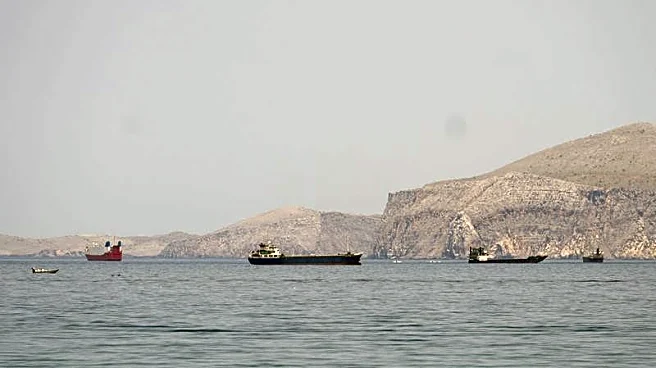
disrupted oil shipments. Despite a surge in oil prices following the U.S. and Israel's attack on Iran on February 28, both companies experienced a drop in net income compared to the previous year. Exxon's net income fell by 45%, while Chevron's decreased by 36%. The conflict has led to the largest oil supply disruption in history, with oil prices increasing by 57%. Exxon has indicated that its production in the Middle East could decrease by 750,000 barrels per day if the Strait of Hormuz remains closed throughout the second quarter. The company has also faced a $4 billion loss due to unfavorable financial hedges, which were not offset by the proceeds from deliveries as the shipments were still en route.
Why It's Important?
The earnings decline of Exxon Mobil and Chevron highlights the broader economic impact of geopolitical conflicts on the global oil market. The disruption in oil shipments due to the Iran war has not only affected the financial performance of these major oil companies but also poses a risk to global energy supply chains. The closure of the Strait of Hormuz, a critical chokepoint for oil transportation, could lead to further supply constraints and price volatility. This situation underscores the vulnerability of energy markets to geopolitical tensions and the potential for significant economic repercussions. Stakeholders in the energy sector, including investors and policymakers, must navigate these challenges to ensure energy security and market stability.
What's Next?
As the conflict continues, Exxon Mobil and Chevron are likely to focus on mitigating the impact of the supply disruptions. Exxon has already redeployed 13 million barrels to markets in need, although this has resulted in a temporary accounting impact. The companies may also explore alternative supply routes and strategies to manage the risks associated with the ongoing geopolitical tensions. Additionally, the reopening of the Strait of Hormuz will be crucial for restoring normal oil flows and stabilizing the market. The situation will require close monitoring by industry leaders and government officials to address potential supply shortages and maintain energy market stability.