
What's Happening?
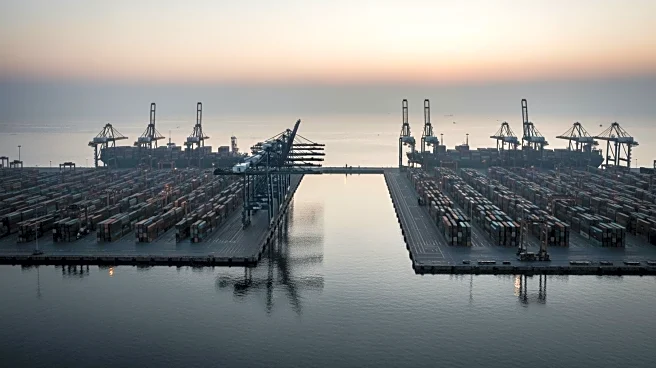
The CME Group, a U.S. commodities exchange operator, has approved its first aluminium storage facilities in Taiwan. This decision comes after receiving several applications for new warehousing in Asia, a significant regional market for aluminium. The approved facilities are located
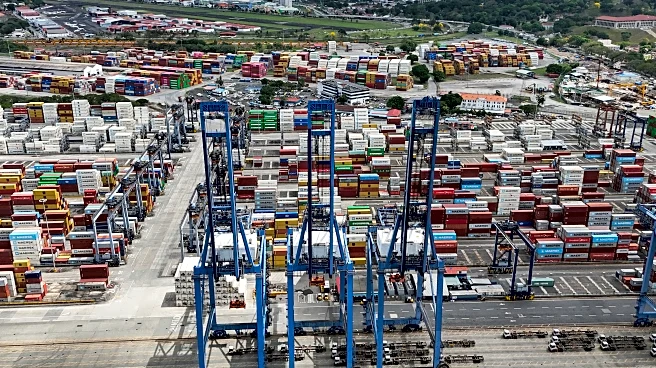
in the southern Taiwanese port city of Kaohsiung and include two applications from C. Steinweg and one from Pacorini Global Services. These facilities will store aluminium deliverable against CME's Comex aluminium futures contract. The total approved outdoor storage capacity at these sites is 95,000 metric tons, distributed among the three facilities. This move is part of CME's strategy to increase the traction of its aluminium contract in Asia, complementing existing warehousing by the London Metal Exchange in Hong Kong and Taiwan.
Why It's Important?
The approval of these warehousing facilities in Taiwan is a strategic move by CME Group to strengthen its presence in the Asian market, which is the largest regional market for aluminium. By expanding its storage capacity, CME aims to enhance the appeal and accessibility of its aluminium futures contract in Asia. This could potentially lead to increased trading volumes and liquidity for CME's aluminium contracts, benefiting traders and investors. Additionally, the move aligns with the broader trend of global commodities exchanges seeking to expand their footprint in Asia, a region with growing industrial demand for metals. The increased storage capacity also provides more options for producers and consumers in the region, potentially stabilizing supply chains and prices.
What's Next?
With the new facilities approved, CME Group is likely to focus on operationalizing these sites and integrating them into its existing network. This may involve logistical arrangements and partnerships with local stakeholders to ensure smooth operations. The success of these facilities could prompt CME to consider further expansions in Asia or other regions with high demand for aluminium. Market participants will be watching closely to see how this development impacts trading volumes and price dynamics in the aluminium market. Additionally, other commodities exchanges may respond by enhancing their own offerings in Asia to remain competitive.