








What's Happening?
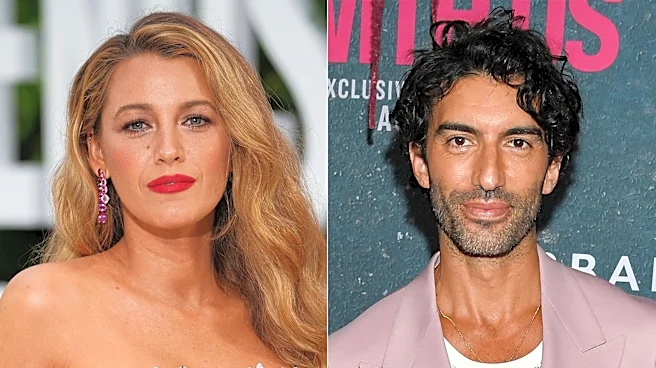
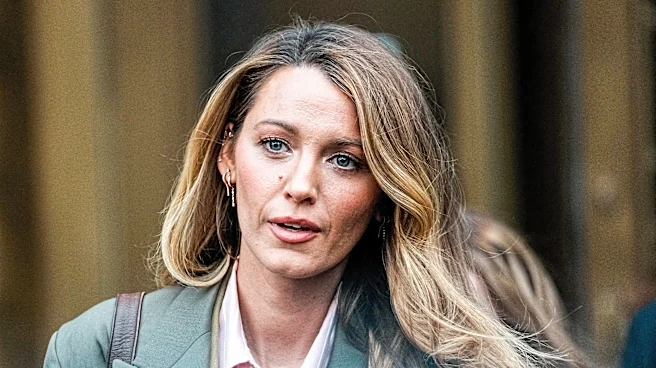
Blake Lively has achieved a partial legal victory as a judge has ordered Wayfarer Studios to cover her attorneys' fees. This decision comes after Lively defended herself against a defamation lawsuit filed by Justin Baldoni, her co-star and director in the
film 'It Ends With Us'. The lawsuit was dismissed, with the judge ruling that Lively's allegations of sexual harassment were protected under litigation privilege. The ruling was made under a 2023 California law designed to protect sexual abuse accusers from retaliatory defamation suits. However, the judge denied Lively's request for triple and punitive damages, stating these were not available under federal law. The legal battle between Lively and Baldoni had been ongoing, with all other disputes settled prior to the trial. Lively's motion for attorneys' fees was the final unresolved issue, which has now been decided in her favor.
Why It's Important?
This ruling underscores the legal protections available to individuals who allege sexual harassment, particularly under California's laws aimed at preventing retaliatory defamation suits. For the entertainment industry, this case highlights the ongoing challenges and legal complexities surrounding allegations of misconduct on set. The decision may encourage other individuals to come forward with claims, knowing there are legal frameworks in place to protect them from retaliatory actions. For Wayfarer Studios and Justin Baldoni, the ruling represents a financial and reputational setback, as they are required to cover Lively's legal expenses. This case also illustrates the broader implications of litigation privilege and the protections it affords to accusers in defamation cases.
What's Next?
With the court's decision on attorneys' fees, the legal proceedings between Lively and Baldoni have reached a conclusion. Both parties have agreed not to appeal the ruling, as part of their settlement agreement. This resolution may lead to increased scrutiny of workplace conduct in the film industry, potentially prompting studios to implement more robust policies to prevent harassment and address allegations more effectively. Additionally, the outcome may influence future legal strategies for both accusers and defendants in similar cases, particularly in how they navigate the protections offered by state laws like California's.