



What's Happening?
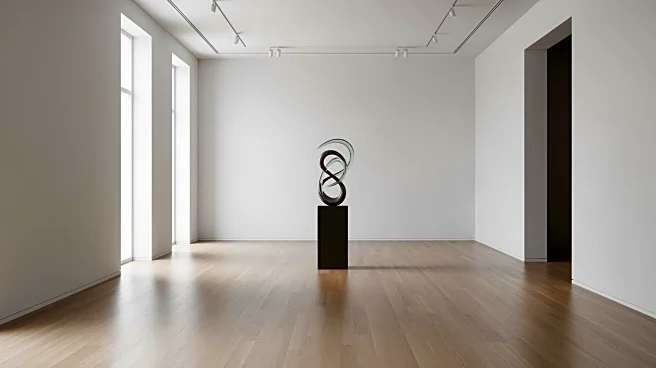
The Stephen Friedman Gallery, a prominent art gallery based in London, has gone into administration and permanently closed its doors after 30 years of operation. This closure follows the recent shutdown of its New York space late last year. The gallery's closure is part of a broader trend of significant changes within the art industry, including the closure of other notable galleries such as New York's Mnuchin Gallery, which is closing following the death of its founder, Robert Mnuchin. Additionally, the art world is seeing expansions and relocations, such as Thaddeaus Ropac's new project space in Manhattan and Chicago's Volume Gallery moving to a larger location in the city's West Town contemporary art corridor.
Why It's Important?
The closure of the Stephen Friedman
Gallery marks a significant moment in the art industry, reflecting broader economic and operational challenges faced by galleries worldwide. The art market is experiencing shifts with galleries closing, expanding, or relocating, indicating a dynamic environment influenced by economic pressures and changing consumer behaviors. The closure of long-standing galleries like Stephen Friedman and Mnuchin could impact artists, collectors, and the cultural landscape, potentially leading to a consolidation of the market where only the most financially robust galleries survive. This trend may also affect the diversity of art available to the public and the opportunities for emerging artists to gain exposure.
What's Next?
As the art industry continues to evolve, stakeholders may need to adapt to new market conditions. Galleries might explore innovative business models, such as increased online presence or collaborations, to remain viable. The industry could also see more mergers or partnerships as galleries seek to pool resources and expand their reach. Additionally, the closure of established galleries may create opportunities for new entrants to fill the void, potentially leading to a reshaping of the art market landscape. Collectors and artists will need to navigate these changes, potentially altering their strategies for buying, selling, and showcasing art.