


What's Happening?
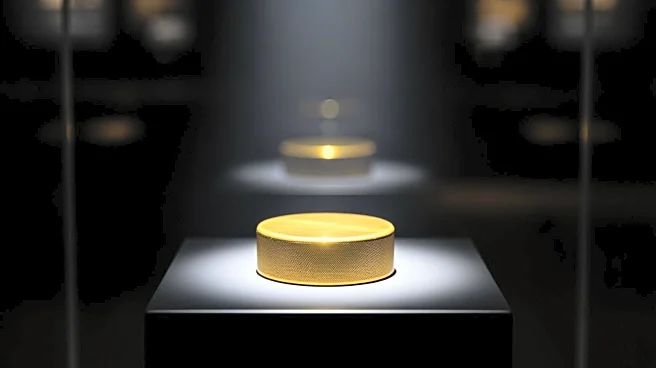
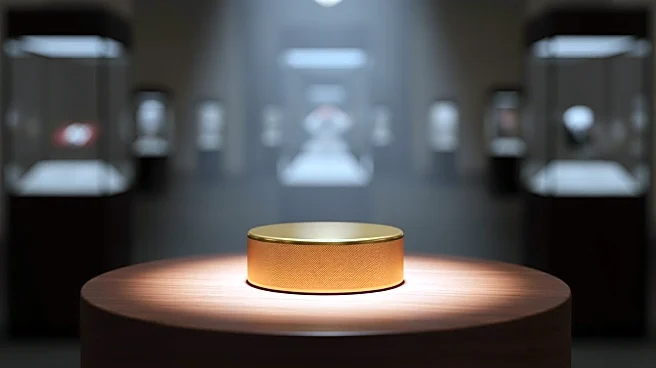
Jack Hughes, a prominent NHL player, has expressed his desire to reclaim the puck from his overtime goal that secured Olympic gold, which is currently held by the Hockey Hall of Fame in Toronto. Hughes's goal is considered a significant moment in American
hockey history, and he believes the puck should not be in the Hall of Fame's possession. Despite his public comments, Hughes has not formally requested the puck from the Hall. The Hockey Hall of Fame, an independent nonprofit museum, maintains that the puck was never Hughes's to own, as it was collected and donated by the International Ice Hockey Federation (IIHF) following the game. The Hall of Fame argues that such artifacts are preserved for public viewing and to celebrate hockey heritage.
Why It's Important?
The dispute over the puck highlights the broader issue of ownership and rights to sports memorabilia, especially those with significant historical value. For Hughes, the puck represents a personal and familial connection, as he wishes to give it to his father, a collector of his sons' memorabilia. However, the Hall of Fame's stance underscores the importance of preserving sports history for public access and education. This situation raises questions about the balance between personal ownership and public heritage, a debate reminiscent of larger cultural discussions about artifact ownership. The outcome could influence future policies on how sports memorabilia is handled post-event.
What's Next?
While Hughes has not yet taken formal steps to reclaim the puck, his comments have sparked a conversation that may lead to further discussions between players, leagues, and museums about the rights to significant sports artifacts. The Hockey Hall of Fame is likely to maintain its position, emphasizing the educational and cultural value of keeping such items accessible to the public. Hughes may eventually decide to pursue the matter more formally, potentially setting a precedent for how similar cases are handled in the future.
Beyond the Headlines
This incident touches on the ethical considerations of artifact ownership, paralleling debates in the art and cultural sectors about the repatriation of historical items. It also reflects on the role of sports institutions in preserving history versus the personal desires of athletes. The resolution of this case could influence how sports organizations and museums negotiate the ownership and display of significant memorabilia, potentially leading to new agreements or policies that balance personal and public interests.