





What's Happening?
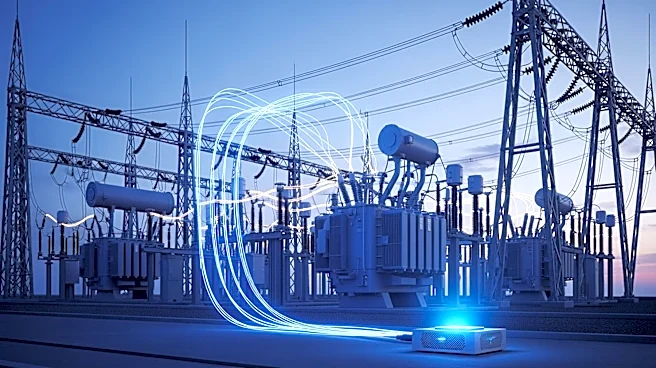
Utilities are increasingly adopting edge computing technologies to improve grid reliability and operational efficiency. By processing and analyzing data locally, these technologies reduce latency and enhance responsiveness. This shift allows utilities
to make operational decisions closer to where data is generated. The integration of connected field devices provides real-time visibility into grid operations, enabling faster response times and improved reliability. As the energy landscape becomes more dynamic with distributed energy resources and new high-demand loads, utilities are focusing on strengthening communication networks to maintain grid resilience.
Why It's Important?
The modernization of grid infrastructure is crucial for maintaining reliability in an increasingly complex energy environment. By enhancing connectivity and adopting edge computing, utilities can better manage distributed energy resources and respond to operational disruptions more effectively. This transition supports the integration of renewable energy sources and the growing demand for electricity, contributing to a more sustainable and resilient energy system. The focus on secure and adaptable communication networks also underscores the importance of cybersecurity in protecting critical infrastructure.
What's Next?
As utilities continue to modernize their networks, the emphasis will likely remain on developing secure, resilient communication platforms that support large-scale device deployments. Future efforts may include further integration of advanced analytics and predictive maintenance to optimize grid operations. Utilities will need to balance the adoption of new technologies with the maintenance of existing infrastructure, ensuring that the grid can meet future energy demands. Ongoing investments in connectivity and edge computing will be essential for navigating the complexities of the evolving energy landscape.