






What's Happening?
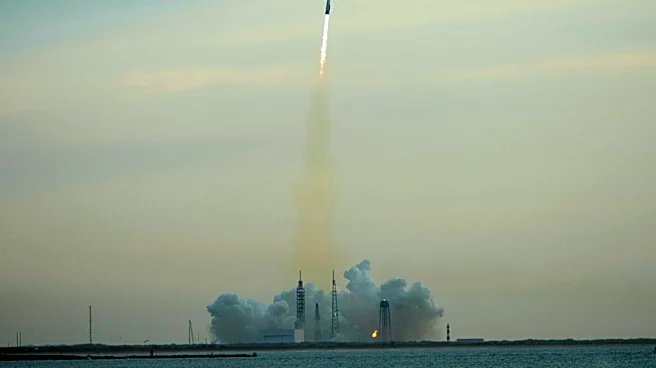
The Federal Aviation Administration (FAA) has grounded Blue Origin's New Glenn rocket following a failed launch attempt from Cape Canaveral. During the mission, the rocket was unable to place its payload into the intended orbit, achieving only a 95-mile
orbit instead of the planned 285-mile orbit. This incident has been classified as a 'mishap' by the FAA, prompting an investigation to ensure public safety and determine the root cause. The investigation aims to identify corrective actions to prevent future occurrences. This grounding marks the third mission for New Glenn and is not the first time the rocket has faced such issues. Previously, the rocket was grounded for nearly three months after its debut launch due to landing failures.
Why It's Important?
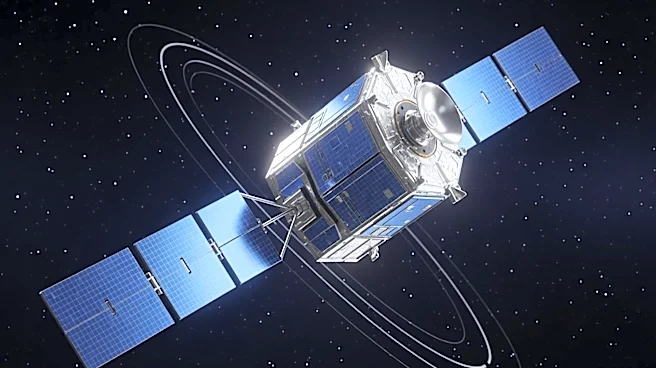
The grounding of the New Glenn rocket has significant implications for Blue Origin and its future missions, including the planned launch of Amazon's Leo broadband satellites. The delay could impact the company's schedule and its ability to meet contractual obligations. Additionally, the incident highlights ongoing challenges in the commercial space industry, where safety and reliability are paramount. The FAA's investigation underscores the importance of regulatory oversight in ensuring that space missions do not compromise public safety. The outcome of this investigation could influence future regulatory measures and operational protocols for Blue Origin and other space companies.
What's Next?
The FAA has not provided a timeline for when the New Glenn rocket will be cleared to fly again. The investigation will focus on identifying the cause of the orbit failure and implementing necessary corrective measures. Blue Origin will need to address these issues to resume its launch schedule, particularly the upcoming mission involving Amazon's satellites. The company's response and the FAA's findings will be closely watched by industry stakeholders, as they could affect Blue Origin's reputation and future business prospects.