






What's Happening?
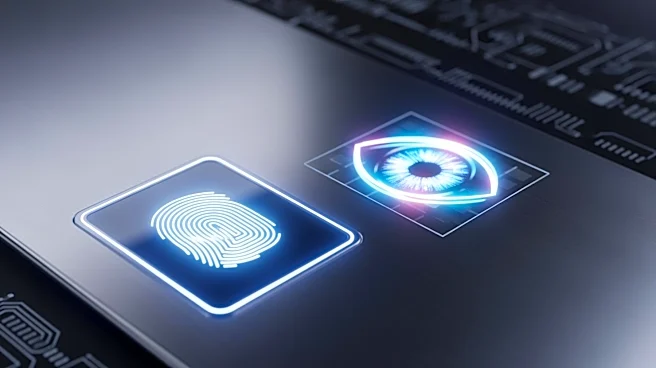
Biometric authentication methods are increasingly being adopted by businesses in 2026 to enhance security and streamline access control. These methods include fingerprint, facial, and iris recognition, as well as behavioral biometrics, which analyze user
interaction patterns. The shift towards biometrics is part of a broader move to improve enterprise identity and access management, aligning with the Zero Trust model that requires continuous, reliable identity signals. This model treats every access request as potentially suspicious, necessitating robust verification methods. Biometric systems provide a more secure alternative to traditional passwords, which are often compromised through phishing or other attacks. The adoption of biometric authentication is not limited to a single industry; it spans banks, hospitals, warehouses, and corporate offices, offering a more seamless and secure user experience.
Why It's Important?
The move towards biometric authentication is significant as it addresses the persistent issue of data breaches caused by compromised passwords. In 2025, the average cost of a U.S. data breach reached $10.22 million, with many breaches originating from stolen credentials. By tying access to the individual rather than a device or location, biometric systems reduce the risk of unauthorized access. This shift is crucial for industries with high security needs, such as financial services, healthcare, and government, where the consequences of breaches can be severe. Additionally, biometric authentication supports compliance with regulatory requirements, offering a more reliable and efficient security solution. As businesses continue to face challenges with password management and security, biometrics offer a viable path to reducing operational costs and enhancing security.
What's Next?
As biometric authentication becomes more prevalent, businesses will need to address challenges such as data privacy, accuracy, and integration with existing systems. Ensuring compliance with data protection regulations and addressing potential biases in biometric systems are critical steps. Companies will also need to consider alternative authentication methods for individuals who may have difficulties with certain biometric systems. The integration of biometric systems with legacy infrastructure will require careful planning and investment. As the technology evolves, businesses are likely to adopt multi-modal biometric systems that combine multiple verification methods for enhanced security. This trend is expected to continue, with biometric authentication becoming a standard component of enterprise security strategies.
Beyond the Headlines
The adoption of biometric authentication raises important ethical and legal considerations. The permanence of biometric data means that breaches can have long-lasting consequences, as individuals cannot change their biometric traits like they can with passwords. Ensuring the security and privacy of biometric data is paramount, and businesses must implement robust measures to protect this sensitive information. Additionally, the accuracy of biometric systems can vary, and biases in facial recognition technology, for example, have raised concerns about fairness and discrimination. As businesses implement these systems, they must ensure that they are inclusive and do not disadvantage certain groups. The shift to biometrics also reflects a broader trend towards more integrated and seamless security solutions, as businesses seek to balance security with user convenience.