





What's Happening?
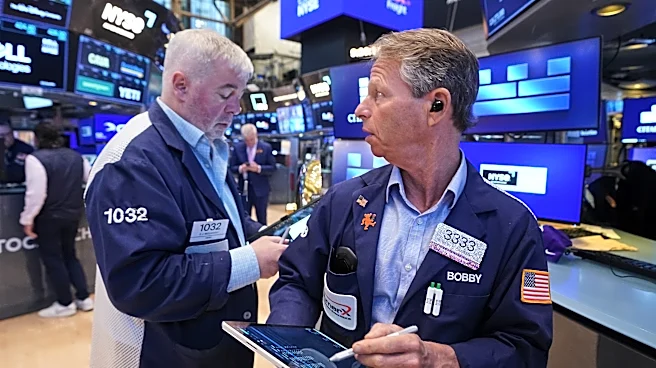
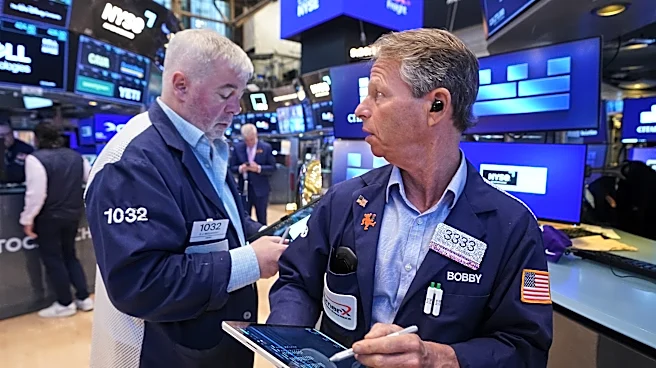
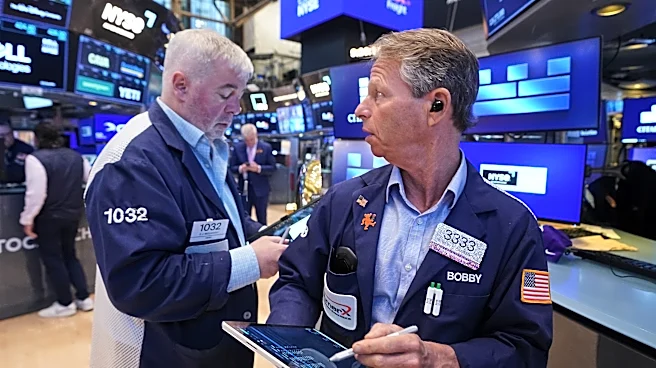
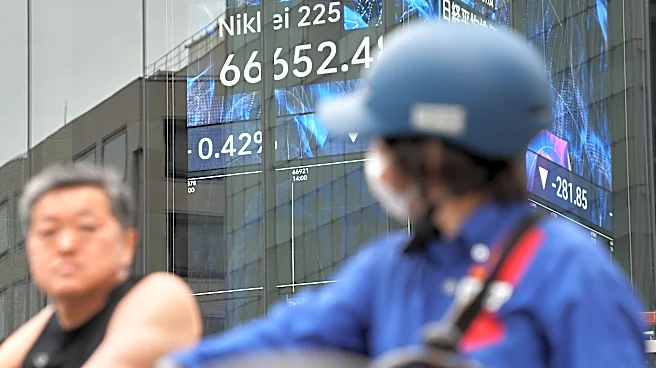
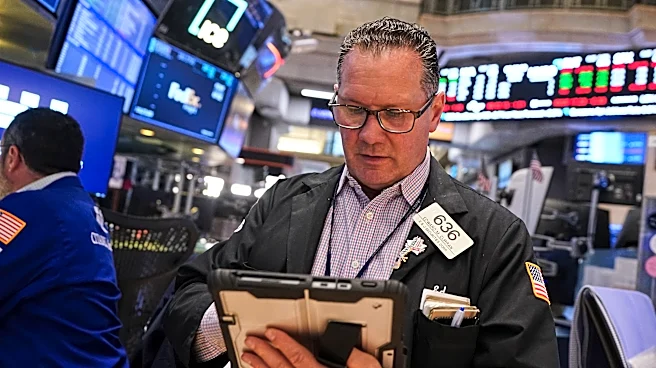
On June 3, 2026, Wall Street indexes experienced a downturn following a series of record highs. The S&P 500 futures fell by 0.5%, while Nasdaq 100 futures dropped 0.7%. The Dow Jones Industrial Average futures remained near the flatline. This decline
was influenced by escalating tensions between the U.S. and Iran, which led to a rise in oil prices and Treasury yields. The S&P 500 shed 0.74%, the Nasdaq Composite fell 0.89%, and the Dow Jones Industrial Average decreased by 620.72 points, or 1.21%. The geopolitical tensions were exacerbated by Iran's attack on Kuwait International Airport and the U.S. Central Command's response with self-defense strikes on Qeshm Island in the Persian Gulf. Additionally, shares of Broadcom and CrowdStrike fell significantly due to disappointing revenue reports.
Why It's Important?
The decline in Wall Street indexes highlights the sensitivity of financial markets to geopolitical tensions and their impact on oil prices. Rising oil prices can lead to increased costs for businesses and consumers, potentially fueling inflationary pressures. The financial sector, along with consumer discretionary stocks, experienced notable declines, reflecting investor concerns about the broader economic implications. The situation underscores the interconnectedness of global events and their ability to influence U.S. markets, affecting investors, businesses, and economic stability. The market's reaction also indicates a cautious sentiment among investors, who may be reassessing risk exposure amid geopolitical uncertainties.
What's Next?
Investors will be closely monitoring further developments in U.S.-Iran relations and their potential impact on oil prices and market stability. Upcoming earnings reports from companies like Ciena and Brown-Forman, as well as economic indicators such as unit labor costs and jobless claims, will also be scrutinized for insights into the economic outlook. Market participants may adjust their strategies based on these factors, potentially leading to increased volatility in the short term. The situation may prompt policymakers to consider measures to mitigate economic risks associated with geopolitical tensions.