






What's Happening?
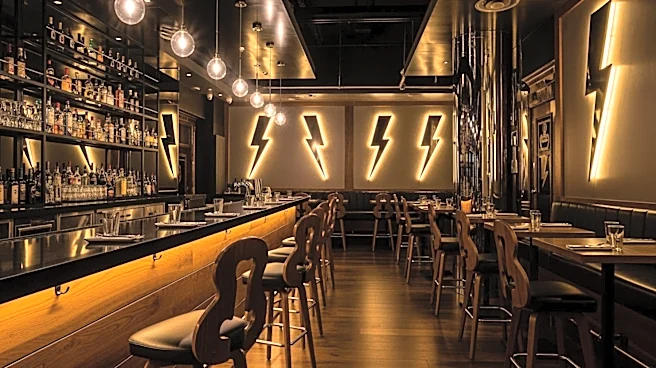
Motza, a fine dining restaurant located in the Jerusalem Hills, provides a luxurious and welcoming escape for diners amidst ongoing regional tensions. Owned by the Tzidkiyahu family, known for their popular restaurant in Mahaneh Yehuda, Motza combines
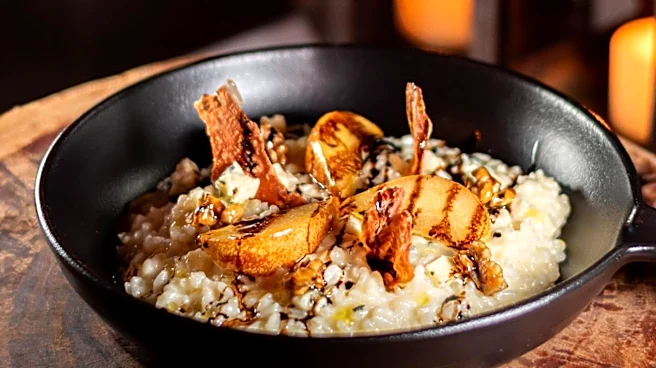
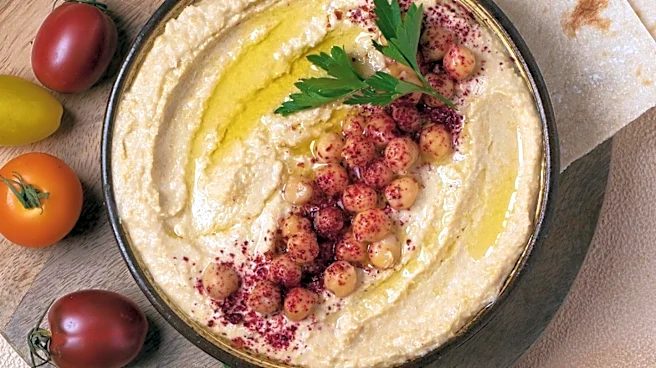
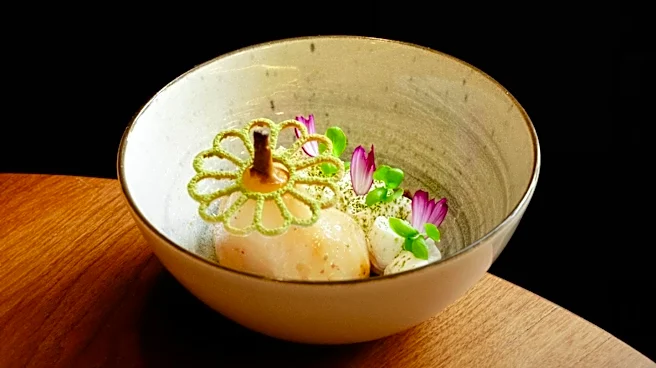
high-quality service with a diverse menu crafted by chef Barak Avital. The restaurant features a variety of appetizers, including oyster mushrooms from a charcoal oven and a selection of raw fish dishes. The establishment aims to offer a break from reality, with a focus on nature, family, and hospitality. Despite the backdrop of conflict, the restaurant maintains a warm atmosphere, with staff ensuring guests are aware of safety protocols in case of emergencies.
Why It's Important?
Motza's approach to dining highlights the resilience and adaptability of the hospitality industry in conflict zones. By providing a space for relaxation and enjoyment, the restaurant not only supports local economic activity but also contributes to the community's morale. The emphasis on high-quality service and unique culinary offerings can attract both locals and tourists, potentially boosting the region's economy. Furthermore, the restaurant's commitment to safety and customer care reflects broader societal efforts to maintain normalcy and support mental well-being during challenging times.
What's Next?
As tensions continue in the region, Motza and similar establishments may need to adapt further to ensure customer safety and satisfaction. This could involve enhancing security measures or adjusting operational hours. The restaurant's success could inspire other businesses to adopt similar strategies, fostering a resilient local economy. Additionally, the ongoing situation may influence future menu offerings and marketing strategies to appeal to a broader audience seeking comfort and escape.
Beyond the Headlines
Motza's story underscores the cultural significance of food as a unifying force, offering a sense of normalcy and community amidst uncertainty. The restaurant's focus on authentic, non-pretentious service and its connection to the Tzidkiyahu family's culinary legacy highlight the importance of tradition and family values in sustaining businesses through difficult times. This approach not only preserves cultural heritage but also strengthens community bonds, providing a model for other businesses in similar contexts.