


What's Happening?
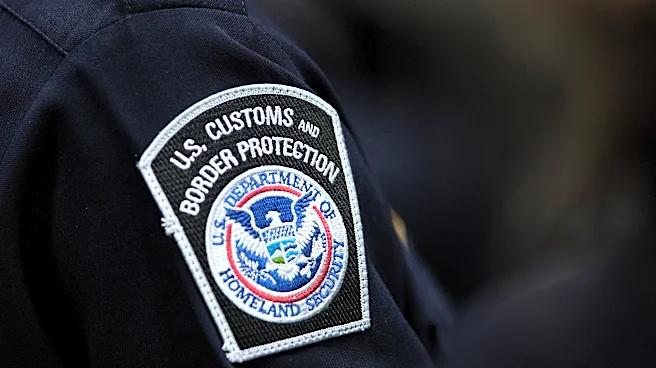
The U.S. Customs and Border Protection has launched an online portal to facilitate the refund of $166 billion in tariff revenue to businesses. However, individual consumers, who indirectly paid these tariffs through higher prices, are not directly eligible
for refunds. Consumers like Will Chyrsanthos, who incurred additional costs due to tariffs on imported goods, must rely on the goodwill of companies or class action lawsuits to receive any compensation. Some shipping companies, like DHL, have announced plans to refund customers who paid tariffs directly, but many consumers remain uncertain about recouping costs.
Why It's Important?
This development highlights the complexities of tariff policies and their impact on consumers. While businesses can claim refunds, the lack of a direct mechanism for consumer compensation raises questions about fairness and transparency. The situation underscores the need for clearer policies that address the downstream effects of tariffs on consumers. It also points to potential gaps in consumer protection laws, as individuals bear the financial burden of tariffs without a straightforward path to refunds. The outcome of this situation could influence future tariff policies and consumer rights legislation.
What's Next?
As businesses begin to receive refunds, there may be increased pressure on them to pass savings onto consumers. Class action lawsuits could emerge as a tool for consumers seeking compensation, potentially leading to legal precedents that shape future tariff-related disputes. Policymakers might consider revising tariff refund processes to include consumer protections, ensuring that individuals are not left out of financial relief efforts. The situation could also prompt discussions on the broader economic implications of tariff policies and their role in international trade relations.