







What's Happening?
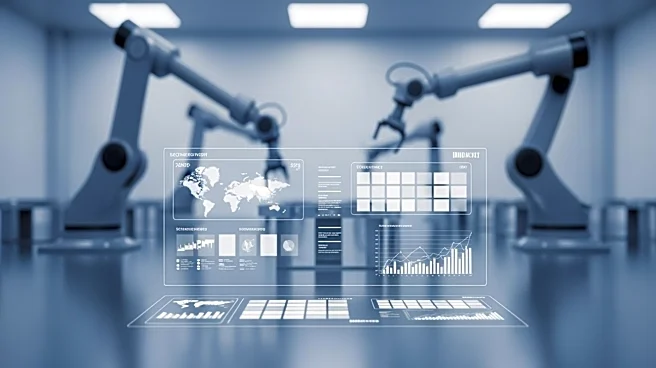
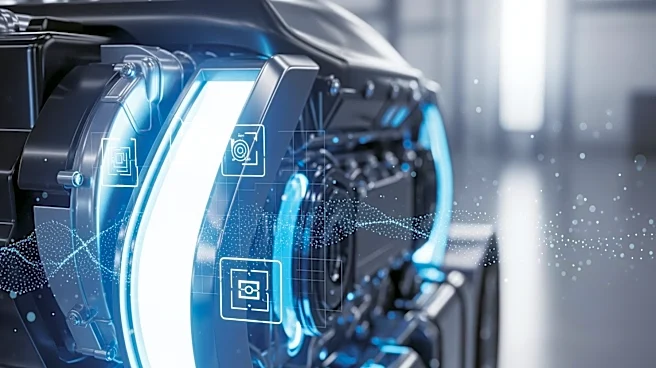
The trucking industry is undergoing a significant transformation with the integration of AI-driven diagnostics and predictive maintenance. According to FleetOwner, AI agents are now capable of not only identifying issues within fleet vehicles but also
executing maintenance steps autonomously. This technology allows for real-time problem-solving, such as automatically booking service appointments and rerouting drivers to the nearest service bay when an error code is detected. This shift is part of a broader digital transformation in the industry, where connectivity and data-driven insights are becoming essential tools for fleet management. Companies like Daimler Truck North America are leading the way by integrating advanced connectivity into their vehicles, which supports predictive maintenance and enhances operational efficiency.
Why It's Important?
The adoption of AI-driven diagnostics in trucking fleets is crucial for several reasons. It significantly reduces downtime by automating maintenance processes, which can lead to substantial cost savings for fleet operators. By reallocating human resources from reactive maintenance tasks to more strategic roles, companies can improve their competitive edge. This technology also supports compliance with stringent environmental regulations, such as the 2027 EPA emissions standards, by ensuring vehicles are maintained at optimal performance levels. As the industry continues to evolve, those who embrace these technological advancements are likely to outperform competitors who rely on traditional maintenance methods.
What's Next?
As AI-driven diagnostics become more prevalent, we can expect further advancements in fleet management technology. Companies will likely continue to invest in connectivity and data analytics to enhance their predictive maintenance capabilities. This could lead to the development of even more sophisticated AI systems that can anticipate issues before they occur, further reducing downtime and maintenance costs. Additionally, as environmental regulations become more stringent, the integration of AI in fleet management will be essential for compliance and sustainability efforts. Stakeholders in the trucking industry, including manufacturers, fleet operators, and technology providers, will need to collaborate to maximize the benefits of these innovations.