








What's Happening?
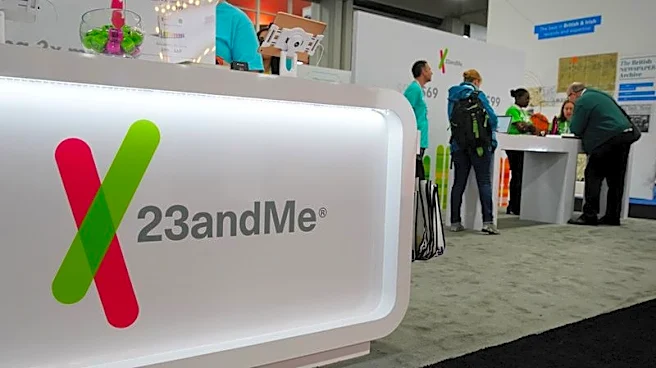
The California Attorney General has filed a lawsuit against 23andMe, accusing the genetic testing company of failing to protect customer data during a 2023 breach. The breach exposed sensitive genetic and health information of nearly 7 million people,
including over 850,000 Californians. The lawsuit claims that 23andMe misled consumers about the severity of the breach and failed to implement adequate security measures. The breach was reportedly facilitated by credential stuffing, a tactic exploiting weak passwords. The company, which filed for bankruptcy in 2025, is now under scrutiny for its data protection practices.
Why It's Important?
This lawsuit highlights the critical importance of data security, especially for companies handling sensitive genetic information. The breach and subsequent legal action underscore the potential risks to consumer privacy and the need for stringent data protection measures. The case could set a precedent for how genetic data companies are held accountable for data breaches, influencing industry standards and regulatory policies. It also raises awareness about the vulnerabilities associated with personal data and the responsibilities of companies to safeguard such information.
What's Next?
The lawsuit may lead to increased regulatory scrutiny of companies handling genetic data, prompting them to enhance their security protocols. If successful, the case could result in significant financial penalties for 23andMe and influence how similar companies manage data security. The outcome may also impact consumer trust in genetic testing services and drive legislative efforts to strengthen data protection laws. Additionally, the case could encourage other affected individuals to seek legal action against the company.
Beyond the Headlines
The breach at 23andMe raises broader questions about the ethical handling of genetic data and the potential consequences of data misuse. It highlights the need for a balance between technological innovation and privacy protection. The case may also contribute to discussions on the ethical implications of genetic testing and the responsibilities of companies in managing sensitive personal information. As genetic data becomes increasingly valuable, the case underscores the importance of robust legal frameworks to protect consumer rights.