






What's Happening?
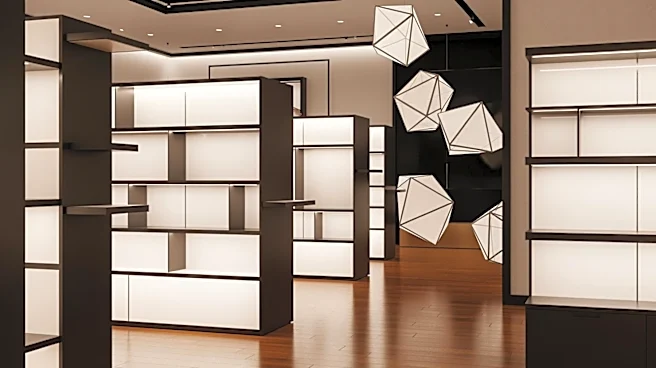
Several retail brands have recently revamped their store formats to improve the shopping experience. Clintons has introduced new exclusive lines and updated layouts to create a more streamlined environment. Austen & Blake relaunched its Sheffield Meadowhall
showroom with a focus on enhancing the in-store experience. Whole Foods Market has opened a new small-format store in London, designed for convenience and tailored to the needs of office commuters. These changes are part of a broader trend where retailers are investing in experiential retail to adapt to changing shopping habits.
Why It's Important?
The shift towards revamped store formats reflects a significant trend in the retail industry, where physical stores are evolving to meet modern consumer expectations. By focusing on experience and convenience, retailers aim to attract more customers and increase loyalty. This trend is crucial for the survival of brick-and-mortar stores in an era dominated by online shopping. The changes could lead to increased foot traffic and sales, benefiting both retailers and local economies. However, it also poses challenges for retailers to continuously innovate and differentiate themselves in a competitive market.
What's Next?
Retailers are likely to continue investing in store renovations and new formats to stay competitive. This may include further integration of technology to enhance the shopping experience and more personalized services. As consumer preferences evolve, retailers will need to adapt quickly to maintain relevance. The success of these revamped formats could influence other retailers to follow suit, potentially leading to a widespread transformation in the retail landscape.