






What's Happening?
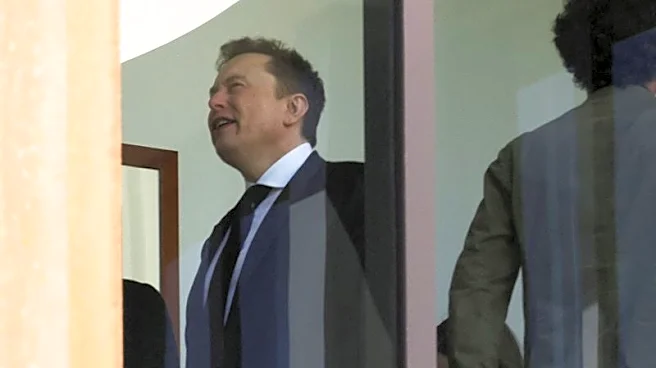
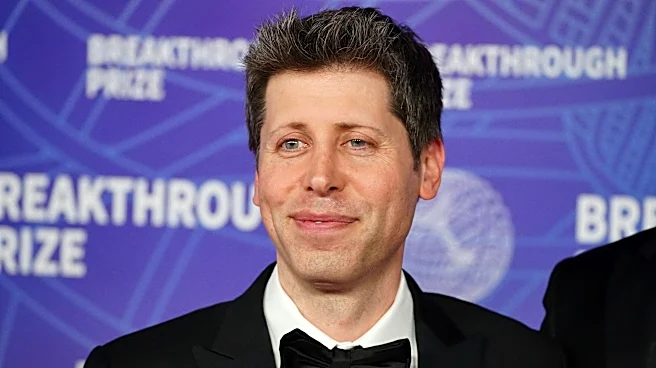
Elon Musk has filed a lawsuit against OpenAI, its cofounder Sam Altman, and president Greg Brockman, accusing them of transforming the organization from a nonprofit into a profit-seeking entity. Musk, who invested $38 million in OpenAI under the condition
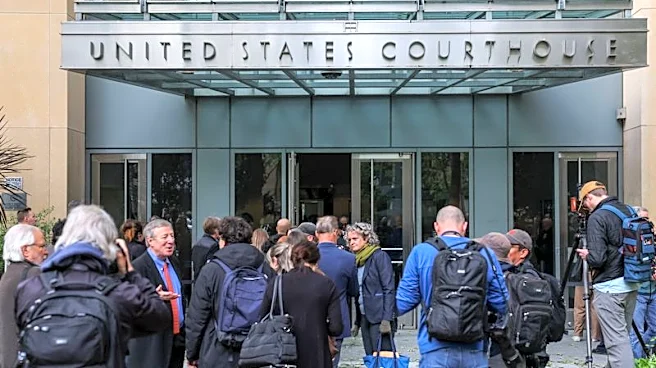
it remains a nonprofit, argues that this shift violates the original mission and commitments made to him and the public. The trial, which has drawn significant attention, is seen as a defense of charitable giving. Musk's lawyer, Steven Molo, claims that the defendants were motivated by greed, especially after OpenAI attracted significant investment from Microsoft. The trial could impact OpenAI's plans for an initial public offering and has raised questions about AI safety and governance.
Why It's Important?
The lawsuit highlights the tension between nonprofit missions and the financial pressures of the tech industry. If Musk's claims are upheld, it could set a precedent affecting how charitable organizations operate and are funded, particularly in the tech sector. The case also underscores the broader debate about AI safety and the ethical responsibilities of tech companies. OpenAI's transformation into a for-profit entity has implications for its governance and public trust, potentially affecting its valuation and investor confidence. The outcome could influence how other tech nonprofits structure their operations and partnerships.
What's Next?
The trial will continue with testimonies from key figures, including Musk, Altman, and Microsoft's CEO Satya Nadella. The court's decision could lead to significant changes in OpenAI's governance and operational structure. If Musk succeeds, OpenAI may be forced to revert to a nonprofit status, impacting its financial strategy and investor relations. The case may also prompt regulatory scrutiny of similar organizations, influencing future tech industry practices regarding nonprofit status and charitable commitments.