





What's Happening?
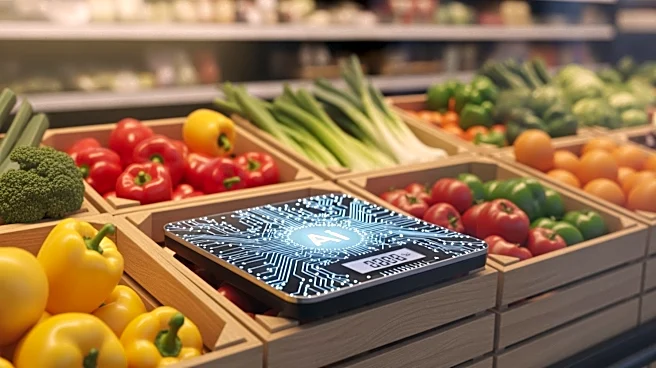
Grocery chains are increasingly adopting artificial intelligence to manage inventory and pricing, aiming to reduce food waste and improve profit margins. Platforms like Flashfood enable grocers to dynamically price perishable items nearing their best-by
dates, helping to limit losses from food waste. This approach is part of a broader strategy to remain competitive amid rising inflation and increased consumer demand for value. Flashfood connects consumers with discounted food items, which they can purchase through an app and collect from designated store areas. The initiative is expanding to more Kroger stores, with Flashfood already operating in over 2,000 locations across North America.
Why It's Important?
The use of AI in grocery retail represents a significant shift towards more efficient and sustainable business practices. By reducing food waste, grocers can lower operational costs and improve their environmental impact. This strategy also aligns with consumer trends towards value shopping, as more people seek discounts and deals. The ability to offer competitive pricing without compromising profit margins could give traditional grocers an edge over discount retailers and warehouse clubs, which have been gaining market share.
What's Next?
As more grocers adopt AI-driven pricing strategies, the industry may see a transformation in how inventory is managed and priced. This could lead to broader adoption of technology solutions across the retail sector, encouraging innovation in customer engagement and supply chain management. Grocers will need to continuously refine their strategies to stay ahead of competitors and meet evolving consumer expectations.