






What's Happening?
The ongoing conflict between the United States and Iran has intensified, with recent peace talks failing to reach a resolution. As a result, oil prices have surged past $100 per barrel, and a US blockade of Iranian ports is anticipated to commence. This
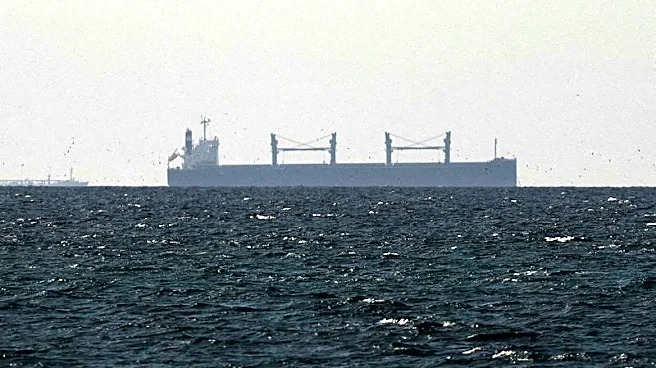
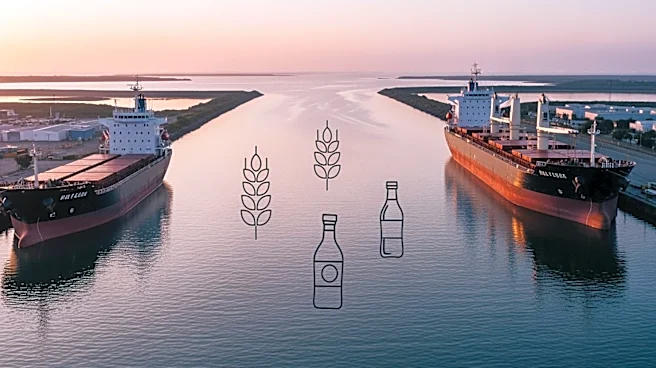
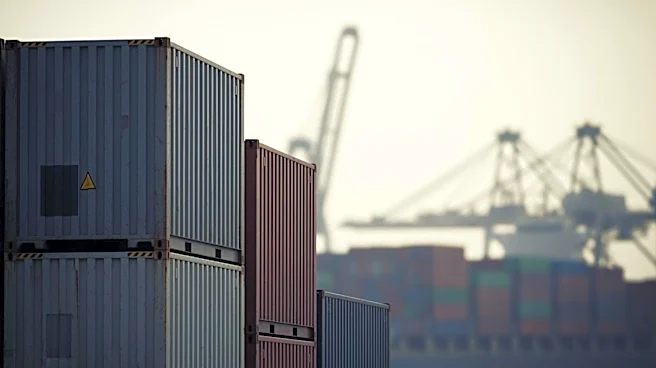
geopolitical tension has significantly disrupted global supply chains, particularly affecting the food and beverage sector. The conflict has led to increased transportation costs due to skyrocketing oil prices, impacting the movement of raw materials and goods. Key commodities such as coffee, cocoa, and spices, which require long-distance shipping, are particularly vulnerable. Additionally, the energy-intensive nature of the US food and beverage industry, especially in sectors like dairy, meat, and beverages, faces heightened energy risks. The availability and pricing of raw materials, including polyethylene and aluminum, have also been adversely affected, further complicating the supply chain dynamics.
Why It's Important?
The escalation of the US-Iran conflict poses significant challenges for the US food and beverage industry, which is already grappling with supply chain vulnerabilities. The increase in oil prices directly impacts transportation costs, which can lead to higher prices for consumers. Energy costs are a critical concern for sectors reliant on thermal and refrigeration processes, potentially affecting food safety and production efficiency. The disruption in raw material supply, particularly from the Middle East, exacerbates the situation, as the region is a major hub for essential materials like polyethylene and aluminum. These factors contribute to inflationary pressures, which could strain consumer budgets and reduce demand. The industry must navigate these challenges by enhancing supply chain resilience and exploring cost-effective solutions to mitigate the impact on consumers.
What's Next?
As the US prepares to implement a blockade of Iranian ports, the food and beverage industry must brace for further disruptions. Companies may need to reassess their supply chain strategies, focusing on diversification and risk management to mitigate potential shortages and price hikes. The industry could also face increased cyber threats, as modern warfare extends beyond physical battlefields. Businesses must prioritize cybersecurity measures to protect against potential attacks. In the long term, the industry may need to explore alternative energy sources and raw material suppliers to reduce dependency on vulnerable regions. Policymakers and industry leaders will likely engage in discussions to address these challenges and develop strategies to support the sector amid ongoing geopolitical tensions.
Beyond the Headlines
The conflict highlights the interconnectedness of global supply chains and the vulnerability of industries reliant on specific regions for critical resources. The situation underscores the importance of geopolitical stability in maintaining efficient supply chains and controlling inflation. It also raises ethical considerations regarding the impact of geopolitical actions on global markets and consumer welfare. The potential for cyber attacks adds another layer of complexity, emphasizing the need for robust cybersecurity frameworks. As the industry navigates these challenges, there may be a shift towards more sustainable and resilient supply chain practices, fostering innovation and collaboration across sectors to ensure long-term stability.