




What's Happening?
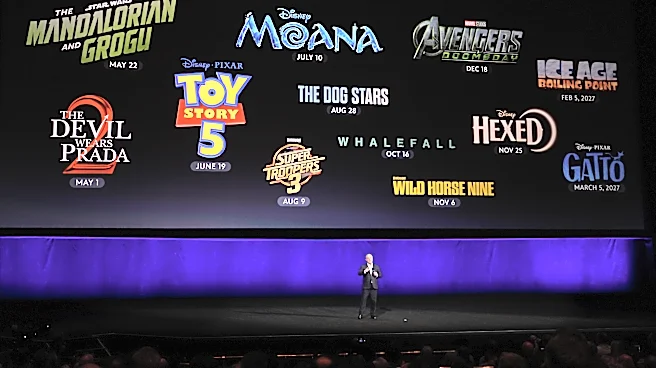
The highly anticipated sequel to 'The Devil Wears Prada' was showcased at Disney's CinemaCon presentation in Las Vegas. Meryl Streep reprises her iconic role as Miranda Priestly, leading an editorial meeting at Runway and critiquing pitches from her staff.
The sequel features original stars Anne Hathaway, Emily Blunt, and Stanley Tucci, along with new cast members Simone Ashley, Kenneth Branagh, and others. The film explores Miranda's struggle against her former assistant turned rival executive, Emily, as they compete for advertising revenue amid the challenges of declining print media. The sequel is directed by David Frankel, with a screenplay by Aline Brosh McKenna, and is set to hit theaters on May 1.
Why It's Important?
The return of 'The Devil Wears Prada' franchise highlights the enduring cultural impact of the original film, which has become a classic over the past two decades. The sequel's exploration of the fashion industry's challenges, such as declining print media, reflects real-world issues faced by the industry today. The film's release is likely to generate significant interest and discussion about the evolution of media consumption and the fashion industry's adaptation to digital trends. Additionally, the involvement of high-profile actors and filmmakers underscores the film's potential to attract a wide audience and contribute to ongoing conversations about media and fashion.
What's Next?
As the film approaches its release date, promotional activities are expected to increase, including interviews and appearances by the cast and crew. The film's reception will likely influence future projects within the franchise and could lead to further exploration of themes related to media and fashion. Industry stakeholders, including fashion brands and media companies, may respond to the film's portrayal of their challenges, potentially sparking discussions on innovation and adaptation strategies. Fans of the original film are anticipated to engage with the sequel, contributing to its box office performance and cultural impact.
Beyond the Headlines
The sequel's focus on the rivalry between Miranda Priestly and Emily Blunt's character highlights the competitive nature of the fashion industry and the personal dynamics that drive professional success. The film's depiction of the industry's challenges may prompt viewers to consider the ethical implications of media consumption and the pressures faced by those working in fashion. Additionally, the film's portrayal of strong female characters navigating complex professional landscapes may inspire discussions on gender roles and representation in media and business.