

What's Happening?
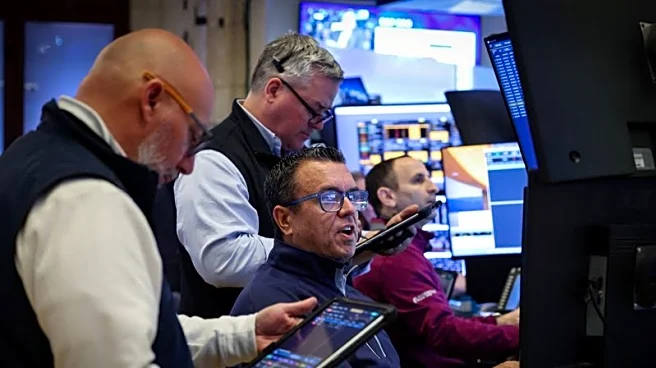
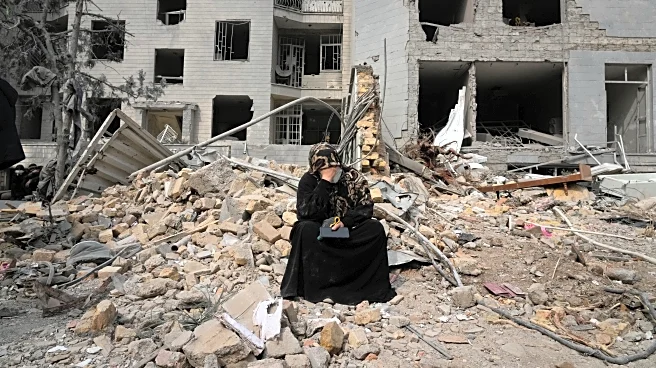
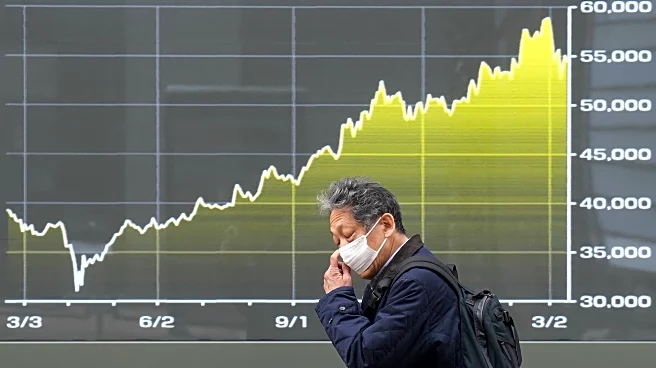
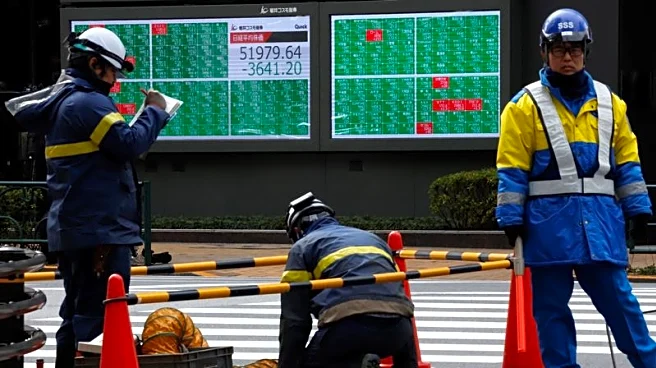
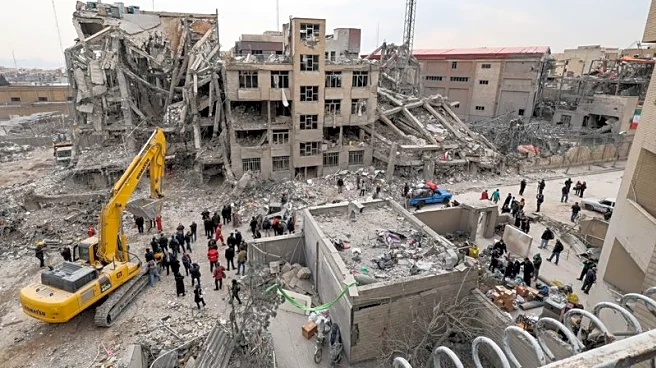
Financial experts are advising investors to maintain a cautious approach in light of recent geopolitical tensions, particularly the U.S. and Israel's decision to engage in military action against Iran. This development has led to increased market volatility
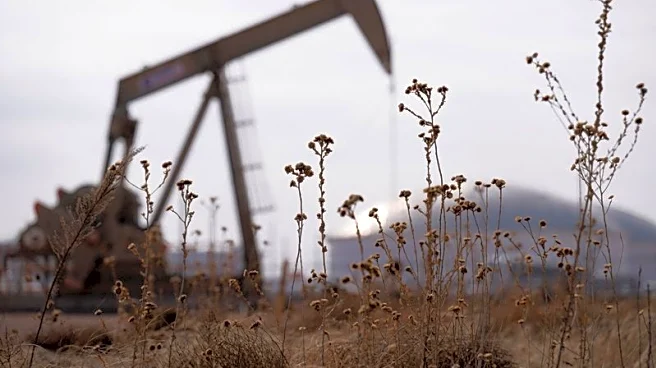
and rising gas prices, which could potentially result in higher consumer prices, inflation, and even a recession. Despite these challenges, financial analysts like Adam Grossman of Mayport Wealth Management emphasize the importance of historical perspective, noting that markets have historically recovered from past crises. Investors are encouraged to maintain diversified portfolios and avoid overreacting to short-term market disruptions. Angelo Kourkafas from Edward Jones highlights that staying fully invested in diversified portfolios has consistently outperformed attempts to time the market.
Why It's Important?
The current geopolitical situation poses significant risks to the U.S. economy, with potential impacts on consumer prices and inflation. The advice from financial analysts underscores the importance of maintaining a long-term investment strategy, even in the face of market volatility. This approach is crucial for both individual investors and the broader financial market, as it helps stabilize market reactions and supports economic resilience. The emphasis on diversification and historical market recovery offers a strategic framework for investors to navigate uncertain times, potentially mitigating the adverse effects of geopolitical tensions on personal finances and the economy.
What's Next?
Investors are advised to focus on maintaining a diversified portfolio and consider the broader economic factors that could influence market performance. As the situation with Iran unfolds, the financial markets will likely continue to experience volatility. Analysts suggest that investors should be prepared for potential fluctuations in oil prices and their subsequent impact on consumer costs. Additionally, the evolving geopolitical landscape may prompt further adjustments in investment strategies, particularly in sectors directly affected by international relations and trade policies.