
What's Happening?
Houston Astros shortstop Carlos Correa has revealed that he declined an offer from music artist Bad Bunny to pay for his insurance to participate in the 2026 World Baseball Classic (WBC) for Team Puerto
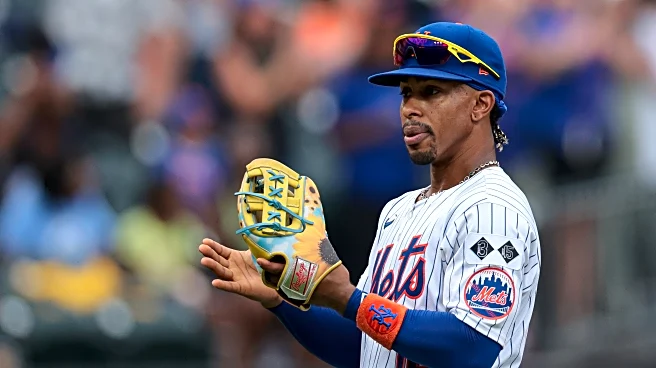
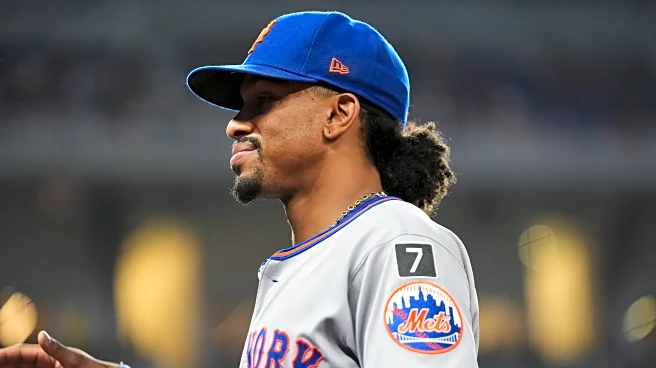
Rico. Correa expressed gratitude for Bad Bunny's involvement and support, highlighting the artist's dedication to Puerto Rico and its fans. However, the insurance provider proposed by Bad Bunny was not approved by Major League Baseball (MLB), the Astros, or Correa's agent, Scott Boras. Concerns were raised about the provider's history of not compensating players, leading Correa to decide against accepting the offer. As a result, Correa will not participate in the WBC. This decision aligns with similar circumstances faced by New York Mets player Francisco Lindor, who also could not secure insurance for the event. Correa's recent injury history, including missing significant games due to plantar fasciitis, further influenced the decision to prioritize his health for the upcoming MLB season.
Why It's Important?
The decision by Carlos Correa to decline the insurance offer underscores the complexities athletes face when balancing national representation with professional commitments. The involvement of a high-profile figure like Bad Bunny highlights the cultural significance of the World Baseball Classic for Puerto Rico, emphasizing the event's role in national pride and identity. However, the inability to secure approved insurance reflects broader challenges in sports management, where player health and contractual obligations often take precedence. This situation could impact the WBC's ability to attract top talent, as players may prioritize their professional careers over international competition. For MLB teams, ensuring player availability and health for the regular season remains a priority, potentially influencing future participation in international events.
What's Next?
As the 2026 MLB season approaches, Carlos Correa and other players will focus on maintaining their health and performance for their respective teams. The insurance issue may prompt discussions within MLB and the WBC organizers to find solutions that allow players to participate without compromising their professional commitments. This could involve negotiating better insurance terms or creating incentives for players to join international competitions. Additionally, the situation may lead to increased scrutiny of insurance providers and their policies, potentially affecting future agreements between players, teams, and event organizers.