







What's Happening?
Weatherford International, a major player in the global energy sector, has announced plans to relocate its legal domicile from Ireland to Texas. This strategic move aims to simplify the company's corporate structure and enhance financial flexibility.
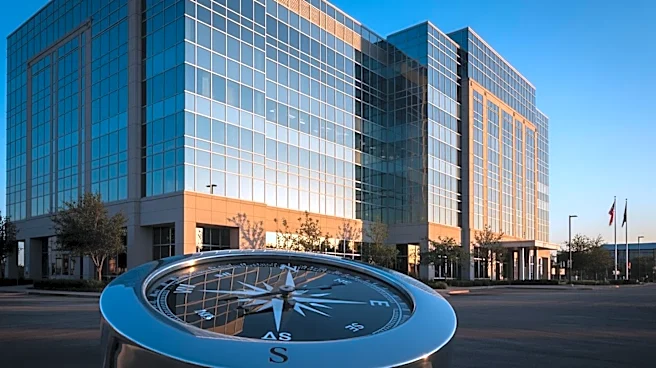
The transition aligns Weatherford's legal framework more closely with its operational base in Houston, a key hub in the U.S. energy corridor. The company has maintained its global operational headquarters in Houston for over two decades and has a significant presence across Texas. The redomestication is expected to broaden Weatherford's investor base, improve access to financing, and provide greater flexibility in managing global tax considerations.
Why It's Important?
Weatherford's decision to shift its domicile to Texas reflects a broader trend among multinational corporations seeking to streamline operations and optimize financial strategies. By aligning its legal and operational structures, Weatherford aims to enhance its competitive edge in the energy sector. This move could attract more investors and facilitate better access to capital markets, potentially leading to increased innovation and expansion of capabilities. The relocation also underscores Texas's growing importance as a central hub for the energy industry, which could have positive economic implications for the state, including job creation and increased business activity.
What's Next?
The proposed redomestication is subject to shareholder and regulatory approvals, with completion expected in the third quarter of 2026. Weatherford will continue to engage with stakeholders to ensure a smooth transition. The company plans to maintain its global operations and customer commitments, with services continuing across its international footprint. As Weatherford moves forward with this transition, it will focus on executing its strategic goals, including enhancing operational efficiency and delivering value to shareholders. The company will also monitor the regulatory landscape to ensure compliance and address any potential challenges that may arise during the transition.