







What's Happening?
Mother's Day 2026 is being celebrated with a focus on wellness and self-care gifts, moving beyond traditional presents like flowers and chocolates. The emphasis is on promoting long-term health and relaxation for mothers. Suggested gifts include herbal
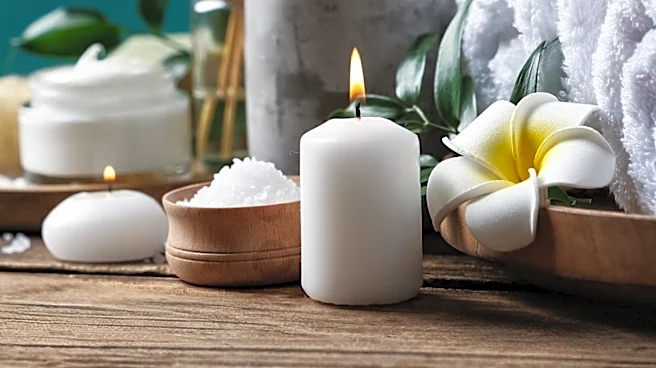
tea wellness kits, massage guns, healthy snack subscription boxes, smart hydration bottles, air purifiers, spa hampers, collagen supplements, fitness smartwatches, aromatherapy diffusers, and orthopedic slippers. These gifts aim to support physical and mental health, offering relaxation, stress relief, and overall well-being. The initiative encourages thoughtful gifting that aligns with individual health needs, ensuring safety and appropriateness.
Why It's Important?
The shift towards wellness and self-care gifts for Mother's Day highlights a growing awareness of the importance of health and well-being. This trend reflects a broader societal movement towards preventive health measures and personalized care. By choosing gifts that promote relaxation, nutrition, and physical activity, individuals can contribute to the long-term health of their loved ones. This approach not only enhances the quality of life for mothers but also underscores the value of thoughtful, health-conscious gifting. It encourages a culture of care that prioritizes well-being over materialism.
What's Next?
As the focus on wellness and self-care continues to grow, it is likely that future celebrations will further integrate health-conscious practices. Retailers and manufacturers may expand their offerings to include more personalized and innovative wellness products. Additionally, there may be increased collaboration with healthcare professionals to ensure the safety and efficacy of wellness gifts. This trend could also inspire similar approaches in other celebratory contexts, promoting a holistic view of health and well-being across various aspects of life.
Beyond the Headlines
The emphasis on wellness gifts for Mother's Day also raises awareness about the importance of considering individual health needs and potential risks associated with certain products. It highlights the ethical responsibility of gift-givers to ensure that their choices do not inadvertently cause harm. This development may lead to greater consumer education and advocacy for safe and informed gifting practices. It also reflects a cultural shift towards valuing health and well-being as integral components of personal and familial relationships.