



What's Happening?
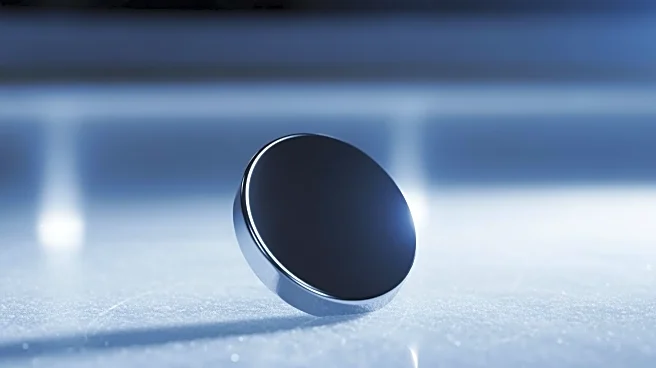
U.S. hockey star Jack Hughes initially believed he was the rightful owner of the puck he used to score the game-winning goal in the men's gold-medal match against Canada at the Milan Cortina 2026 Winter Olympics. The puck, along with one used by Megan
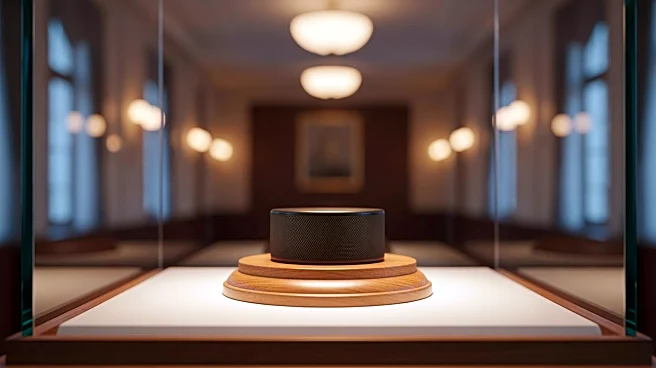
Keller in the women's gold-medal match, was secured by the International Ice Hockey Federation (IIHF) and donated to the Hockey Hall of Fame in Toronto. Hughes expressed his desire to have the puck, estimated to be worth $1 million, for personal memorabilia. However, after clarification from the Hall of Fame that the puck was never his to own, Hughes accepted its placement in the Hall, acknowledging its significance in hockey history.
Why It's Important?
The situation highlights the complexities surrounding ownership of sports memorabilia, especially items of significant historical value. The decision to house the puck in the Hockey Hall of Fame ensures its preservation and public accessibility, allowing fans to celebrate the U.S. team's historic victory. This incident underscores the importance of clear ownership protocols for sports artifacts, which have become increasingly valuable. The Hall of Fame's role in preserving such items contributes to the cultural and historical documentation of sports achievements, providing a shared legacy for future generations.
What's Next?
The Hockey Hall of Fame will continue to display the puck as part of its 'Olympics '26' exhibit, which includes other memorabilia from the games. This exhibit will serve as a permanent reminder of the U.S. team's achievement and will be accessible to hockey fans worldwide. Meanwhile, Hughes and other athletes may continue to navigate the balance between personal memorabilia collections and public historical preservation. The Hall of Fame's established artifact donation process will likely continue to play a crucial role in managing such items.