






What's Happening?
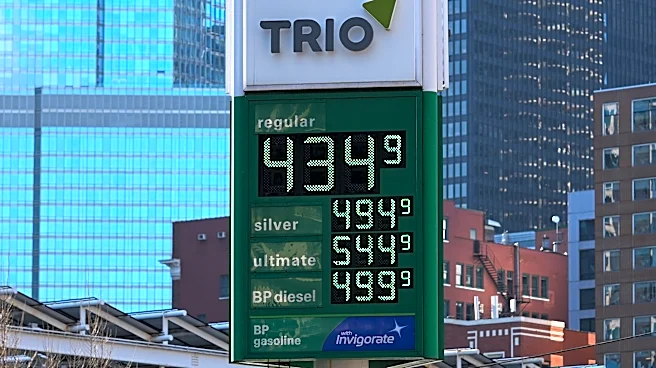
As gas prices continue to rise due to ongoing geopolitical tensions, American consumers are adjusting their grocery shopping habits. A survey conducted by Snipp, a loyalty and promotions technology company, revealed that 66.4% of U.S. adults have altered
their spending habits in response to increased fuel costs. The average price for a gallon of regular unleaded gas in New York state was reported at $4.069 as of April 6, 2026. Consumers are cutting back on non-essential grocery items, with 51.7% spending less on snacks and beverages, and 38.1% reducing alcohol purchases. Even essential items like fresh produce and dairy are seeing cutbacks. To cope with rising costs, 40% of respondents have switched to cheaper store brands, and nearly 29% are buying in bulk to reduce the frequency of shopping trips. Additionally, 13% have turned to lower-priced retailers, and 13.1% are making more online purchases to eliminate fuel costs.
Why It's Important?
The shift in consumer behavior highlights the broader economic impact of rising fuel prices on household budgets. As grocery prices increased by 0.5% from January to February 2026, and are 2.4% higher than the previous year, consumers are forced to make strategic decisions to manage their expenses. This trend could affect the retail sector, particularly grocery stores, as consumers gravitate towards more affordable options and brands. The economic strain may also influence consumer confidence and spending in other areas, potentially impacting the overall economy. Retailers may need to adjust their pricing strategies and inventory to meet changing consumer demands.
What's Next?
If gas prices remain high, consumers may continue to seek cost-saving measures, such as driving less and combining trips, as indicated by 52% of survey respondents. Retailers might face pressure to offer more discounts and promotions to retain customers. The ongoing economic conditions could lead to further shifts in consumer behavior, with potential long-term effects on the grocery and retail industries. Policymakers and businesses may need to address these challenges to stabilize the market and support consumers.