






What's Happening?
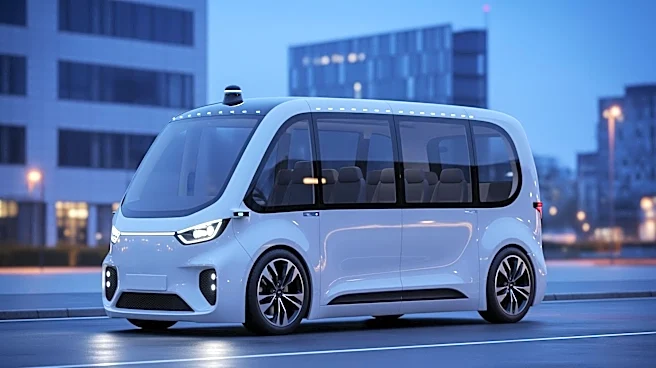
Waymo has announced a collaboration with the navigation app Waze to transform its autonomous vehicle fleet into a network of road inspectors. This pilot program aims to help cities identify and repair potholes more efficiently. By combining Waymo's sensor-based
detection capabilities with Waze's crowdsourced reporting platform, municipalities can gain a real-time understanding of road conditions. The data collected will be shared through Waze, alongside reports from regular drivers. Waymo's vehicles use a combination of cameras, sensors, and physical feedback to detect road surface irregularities, including potholes, which pose risks to vehicles, cyclists, and pedestrians. The program will initially roll out in five regions where Waymo operates: the San Francisco Bay Area, Los Angeles, Phoenix, Austin, and Atlanta. In these areas, Waymo has already identified approximately 500 potholes. Waze users will receive alerts about potholes, similar to other hazard notifications, and can confirm or dismiss these alerts to improve system accuracy.
Why It's Important?
This initiative is significant as it represents a novel approach to infrastructure maintenance, leveraging technology to enhance road safety and efficiency. By providing real-time data on road conditions, cities can respond more quickly to repair needs, potentially reducing vehicle damage and accidents caused by potholes. This collaboration could lead to a reduction in traditional reporting methods, such as 311 calls and manual inspections, streamlining the process for municipal agencies. The program also highlights the potential for autonomous vehicle technology to contribute beyond transportation, offering solutions to urban infrastructure challenges. As cities face increasing road wear due to factors like weather and traffic, this technology could play a crucial role in maintaining road quality and safety.
What's Next?
The pilot program is expected to expand over time, particularly into areas with higher rates of road wear. As the program develops, it may influence other cities to adopt similar technology-driven approaches to infrastructure maintenance. The success of this initiative could encourage further collaborations between tech companies and municipalities, fostering innovation in urban management. Stakeholders, including city officials and transportation agencies, will likely monitor the program's outcomes to assess its effectiveness and potential for broader implementation.