








What's Happening?
Volkswagen Group of America Inc. has initiated a legal challenge against the National Labor Relations Board (NLRB), specifically targeting the constitutionality of its regional directors. This move marks an escalation in the ongoing legal battles against the NLRB,
which has faced nearly 50 lawsuits for alleged constitutional violations since 2023. Volkswagen's lawsuit, although later dismissed, was significant as it was the first to include claims against the regional directors, who are crucial in administering and enforcing workers' organizing rights. The lawsuit argued that the regional directors are unconstitutionally protected from removal, similar to the agency's administrative law judges. This legal action has opened the door for other entities, such as a Wisconsin-based healthcare provider, to challenge the constitutionality of the NLRB's regional directors.
Why It's Important?
The legal challenges against the NLRB, particularly those targeting regional directors, could have significant implications for labor rights and union activities in the U.S. Regional directors play a vital role in handling unfair labor practice cases and union elections. If courts find these directors' protections unconstitutional, it could disrupt the NLRB's ability to enforce labor laws effectively. This could lead to a reevaluation of numerous labor cases and union elections, potentially undermining workers' rights to organize. The outcome of these legal battles could also influence how administrative agencies are structured and operate, affecting their ability to function independently from political pressures.
What's Next?
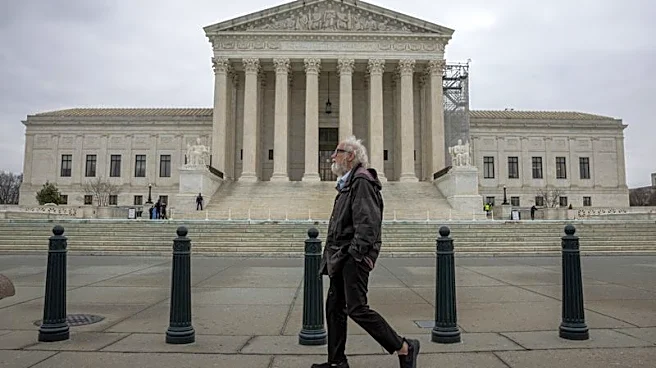
The legal landscape surrounding the NLRB and its regional directors is likely to evolve as more companies may follow Volkswagen's lead in challenging the agency's structure. The courts' decisions on these matters could set precedents that affect not only the NLRB but also other federal agencies with similar structures. Additionally, the Supreme Court's pending decision on job protections for principal officers could further impact the legal standing of regional directors. Stakeholders, including labor unions and employers, will be closely monitoring these developments, as they could significantly alter the balance of power in labor relations.