



What's Happening?
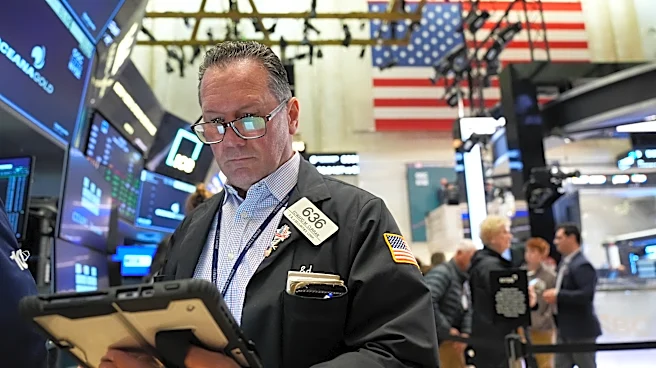
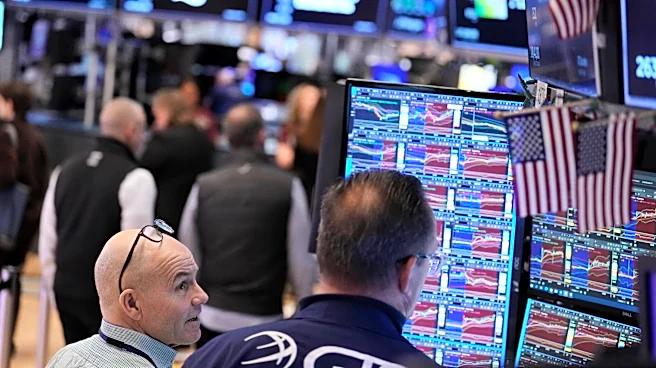
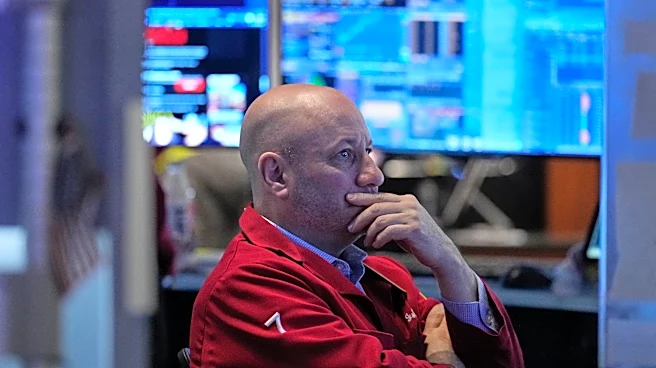
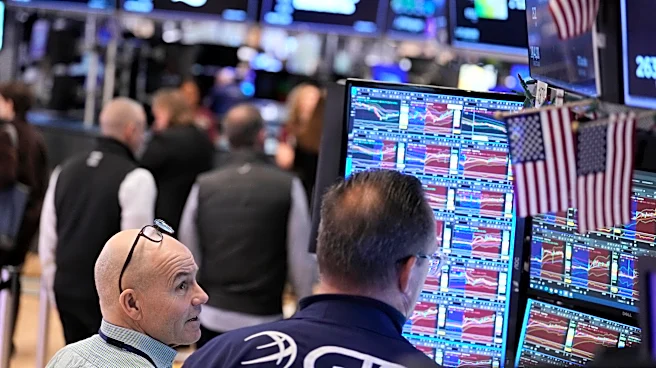
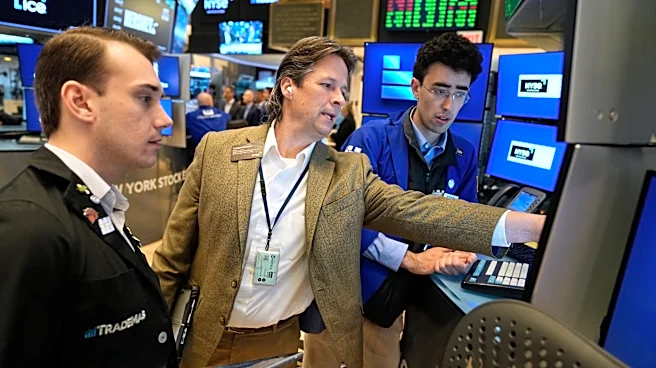
Wall Street experienced a significant surge following the announcement of a two-week ceasefire between the U.S. and Iran. The S&P 500 rose by 2.5%, the Dow Jones Industrial Average increased by 1,325 points, and the Nasdaq composite climbed by 2.8%. This
positive market reaction was driven by hopes that easing tensions could lead to a reduction in oil prices, which have been elevated due to the conflict. The ceasefire, announced by President Trump, is contingent on Iran reopening the Strait of Hormuz, a critical passage for global oil shipments. Despite the market rally, the situation remains precarious as Iran has closed the strait again in response to Israeli actions in Lebanon.
Why It's Important?
The ceasefire and subsequent market rally highlight the interconnectedness of geopolitical events and financial markets. The reduction in oil prices could alleviate inflationary pressures, potentially allowing the Federal Reserve to resume interest rate cuts. This would benefit U.S. households and businesses by lowering borrowing costs. However, the fragile nature of the ceasefire and ongoing geopolitical tensions pose risks to sustained market stability. Companies with high fuel costs, such as airlines, have seen stock price recoveries, indicating the broader economic impact of the ceasefire.
What's Next?
The future of the ceasefire remains uncertain, with potential for renewed conflict if diplomatic efforts fail. The reopening of the Strait of Hormuz is crucial for stabilizing oil prices and ensuring global energy supply. Market participants will closely monitor developments in the Middle East, as well as any changes in U.S. foreign policy. The Federal Reserve's response to changing economic conditions will also be pivotal in shaping market dynamics.