



What's Happening?
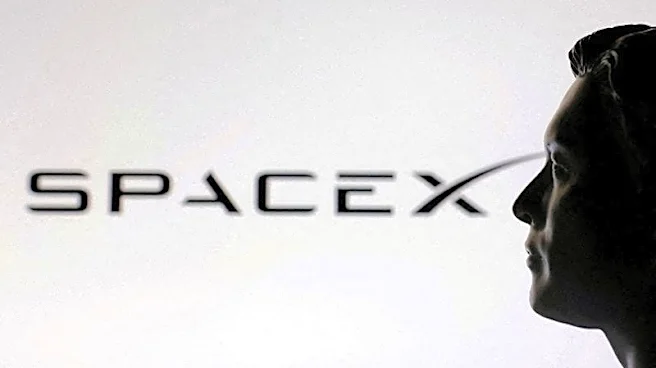
SpaceX, the aerospace company led by Elon Musk, is preparing for what is anticipated to be one of the most significant initial public offerings (IPOs) in history. The company is aiming for a valuation of at least $1.8 trillion, surpassing Musk's other
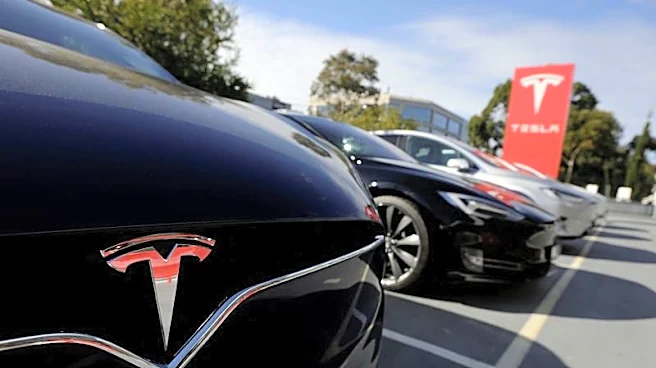
major company, Tesla. SpaceX plans to raise $75 billion through this IPO. However, concerns are being raised about the potential risks for retail investors. The company's high price-to-sales (P/S) ratio of 96 is seen as a red flag, suggesting a possible market bubble. Historically, no public company at the forefront of a transformative technology has sustained such a high P/S ratio over the long term. The IPO is expected to debut on June 12, and while it is generating significant buzz due to its involvement in AI and the space economy, there are warnings about the potential for it to become a financial trap for retail investors.
Why It's Important?
The SpaceX IPO is significant because it represents a major financial event that could impact the stock market and retail investors. The high valuation and potential for a market bubble could lead to significant financial losses for those investing without fully understanding the risks. Historically, large IPOs have struggled post-launch, with companies like Facebook and Saudi Aramco experiencing significant value drops shortly after their debuts. This pattern suggests that retail investors could face similar challenges with SpaceX. The outcome of this IPO could influence investor confidence in future tech and space-related IPOs, potentially affecting the broader market dynamics.
What's Next?
As the IPO date approaches, investors and analysts will be closely monitoring the market's reaction to SpaceX's debut. The company's performance in the initial months following the IPO will be critical in determining its long-term viability and impact on the market. If SpaceX's stock experiences a significant drop, it could lead to increased scrutiny of high-valuation tech IPOs and potentially deter future investments in similar ventures. Additionally, regulatory bodies may take a closer look at the practices surrounding such high-profile IPOs to protect retail investors.