




What's Happening?
The global energy landscape is undergoing a significant transformation with the rise of liquefied natural gas (LNG), which is reshaping how energy is distributed across regions. Unlike traditional pipeline gas, LNG offers a flexible, global market that
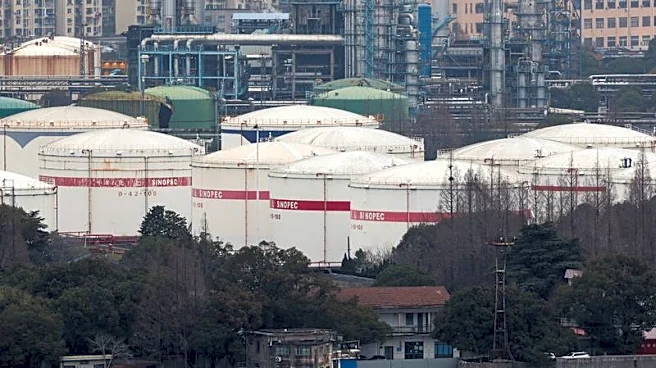
can adapt to changes in price, demand, and geopolitical conditions. Asia, particularly China, India, Japan, and South Korea, is at the center of this shift, driving demand and competing for supply security. These countries are adopting strategies such as securing long-term contracts, expanding regasification capacity, and maintaining exposure to spot markets for flexibility. The United States, Qatar, and Australia are key suppliers, each offering unique advantages like flexibility, scale, and regional stability. However, the LNG market is tightening due to its reliance on specialized infrastructure, making it less responsive to sudden disruptions. This has led to increased competition for cargoes and a shift in market dynamics, with long-term contracts gaining value.
Why It's Important?
The rise of LNG as a cornerstone of energy security has significant implications for global energy trade and economic strategies. For the U.S., this shift presents opportunities to leverage its flexible LNG supply to influence global markets and strengthen economic ties with Asia. The increased demand for LNG in Asia underscores the region's strategic importance in global energy security, potentially affecting geopolitical alliances and trade policies. As LNG becomes a parallel system to oil, it introduces new pricing dynamics and risks, influencing investment decisions and market behavior. This transformation could redefine energy security strategies, with countries prioritizing stable and secure energy supplies over optionality. The evolving LNG market also highlights the need for substantial investment in infrastructure, which could drive economic growth and innovation in the energy sector.
What's Next?
As the LNG market continues to evolve, countries and companies are likely to focus on expanding infrastructure and securing long-term supply agreements to mitigate risks associated with market disruptions. The U.S. may seek to enhance its role as a key LNG supplier, potentially influencing global energy policies and strengthening its economic position. Asian countries will likely continue to prioritize energy security, driving further investments in regasification capacity and infrastructure. The tightening market conditions may lead to increased competition and strategic partnerships among countries and companies. Additionally, the ongoing development of new LNG projects, although slow, will be crucial in meeting future demand and stabilizing the market. Stakeholders will need to navigate the complex dynamics of the LNG market, balancing short-term flexibility with long-term security.