






What's Happening?
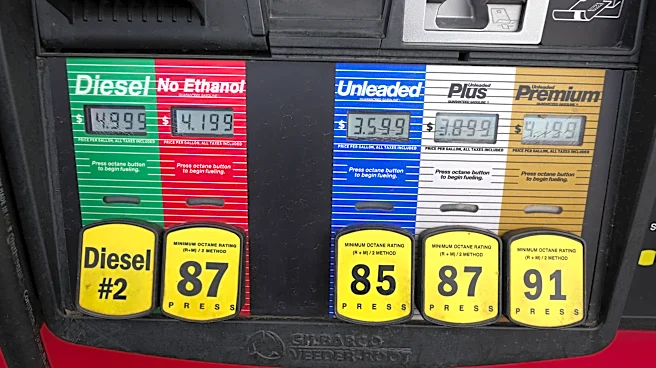
In March, U.S. wholesale inflation reached a three-year high, driven by rising oil prices. The Producer Price Index (PPI) increased by 0.5% from February, with the annual rate climbing to 4%. This rise was largely attributed to a 15.7% increase in gasoline
prices, which accounted for nearly half of the monthly increase. Despite the significant rise in wholesale inflation, the March PPI report was better than expected, as economists had anticipated a larger increase. The ongoing conflict in the Middle East has amplified the impact of energy costs on the economy, with the PPI serving as a potential indicator of future consumer price trends.
Why It's Important?
The rise in wholesale inflation highlights the ongoing impact of rising energy costs on the U.S. economy. As a key indicator of future consumer price trends, the PPI provides insights into potential inflationary pressures that could affect businesses and consumers. The increase in gasoline prices and its contribution to wholesale inflation underscores the vulnerability of the economy to energy market fluctuations. This development could influence monetary policy decisions and impact economic stakeholders, including businesses and consumers, who may face higher costs in the coming months.
What's Next?
The ongoing conflict in the Middle East and its impact on energy prices will continue to be a key factor influencing wholesale inflation. Policymakers and economic stakeholders will closely monitor the PPI and other inflation indicators to assess the potential impact on the economy. The Federal Reserve may consider these developments in its monetary policy decisions, particularly in relation to interest rates and inflation targets. Businesses and consumers may need to prepare for potential cost increases and adjust their strategies accordingly.