
What's Happening?
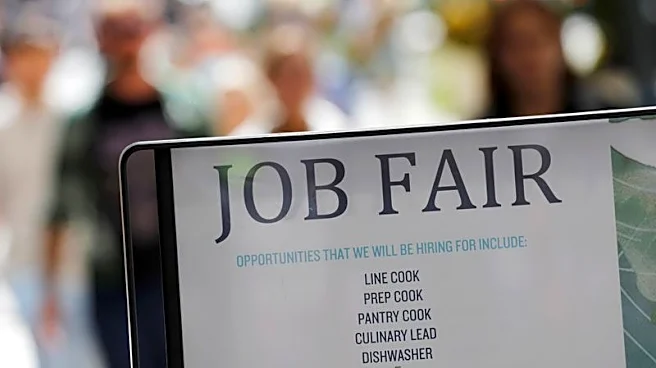
The latest data on U.S. unemployment insurance claims has been released, providing insights into the current economic climate. New York Fed President John Williams has expressed concerns about the impact
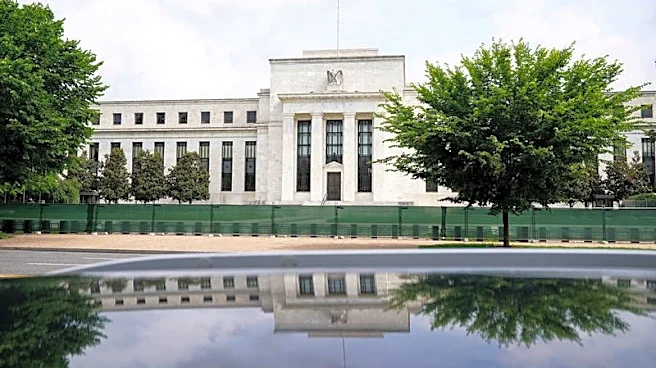
of the Middle East conflict on the U.S. economy, noting signs of rising prices and slowing growth. Williams highlighted the uncertainty surrounding national and local economic conditions due to the conflict. He remains cautiously optimistic about continued growth and easing inflation but acknowledges threats to the Federal Reserve's dual mandate of stable prices and low unemployment. The conflict has intensified supply chain disruptions, contributing to inflationary pressures.
Why It's Important?
The ongoing conflict in the Middle East is creating significant economic uncertainty, affecting both inflation and growth prospects in the U.S. The rise in unemployment insurance claims could indicate a slowing job market, which, combined with inflationary pressures, poses challenges for economic stability. The Federal Reserve's ability to manage these dual challenges will be crucial in maintaining economic confidence. Businesses and consumers may face higher costs, impacting spending and investment decisions. The situation underscores the interconnectedness of global events and domestic economic conditions, highlighting the need for adaptive policy responses.
What's Next?
As the Federal Reserve continues to assess the economic impact of the Middle East conflict, future policy decisions will be closely watched. The potential for further supply chain disruptions and energy price volatility could influence the Fed's approach to interest rates. Policymakers will need to balance inflation control with supporting economic growth. The resolution of the conflict and its effects on global markets will be pivotal in shaping the U.S. economic outlook. Stakeholders will be monitoring developments closely, with implications for fiscal and monetary policy adjustments.