
What's Happening?
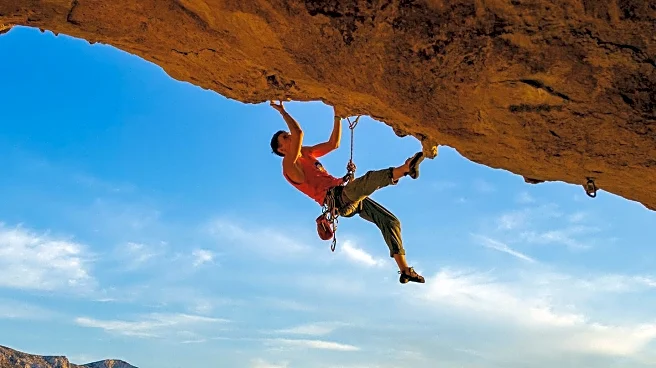
US professional rock climber Alex Honnold recently completed a daring climb of the Taipei 101 skyscraper in Taiwan without any ropes or protective equipment. The climb, which was streamed live on Netflix,
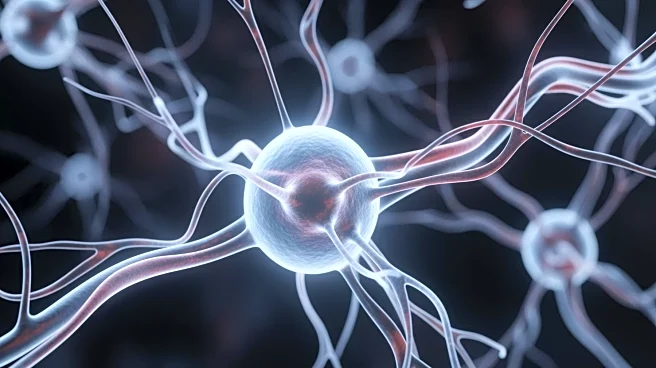
took place on January 25 and saw Honnold reach the summit of the 101-story building in just over an hour and a half. Neuroscientists have studied Honnold's brain to understand his lack of fear during such extreme activities. Previous research by neuroscientist Jane Joseph revealed that Honnold's amygdala, the brain region associated with fear, shows little activity in response to fear-inducing stimuli. Dr. Daniel Amen, a psychiatrist and brain imaging expert, notes that extreme athletes like Honnold often have lower baseline activity in the prefrontal cortex, which is involved in fear inhibition and risk evaluation, and a strong activation of reward and motivation circuits.
Why It's Important?
Honnold's unique brain activity provides insights into how some individuals can perform under extreme stress without succumbing to fear. This research could have broader implications for understanding how the brain regulates fear and stress, potentially informing treatments for anxiety disorders. The ability to maintain focus and control under pressure is not only crucial for extreme sports but also for high-stakes professions such as military and emergency services. Understanding these mechanisms could lead to training programs that enhance performance and resilience in stressful environments.