
What's Happening?
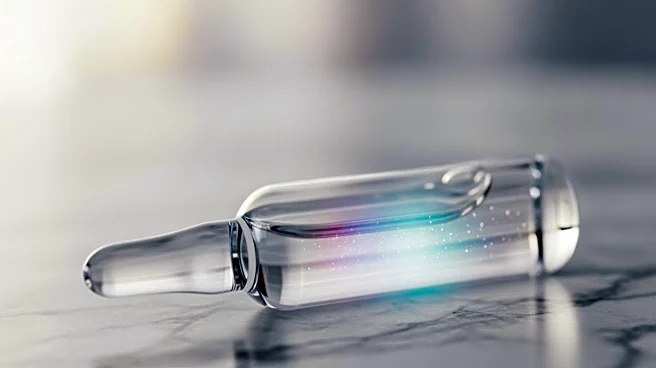
PDRN, a DNA fragment derived from salmon, traditionally used in South Korean dermatology clinics, is now making its way into the U.S. consumer skincare market. This transition is driven by a combination
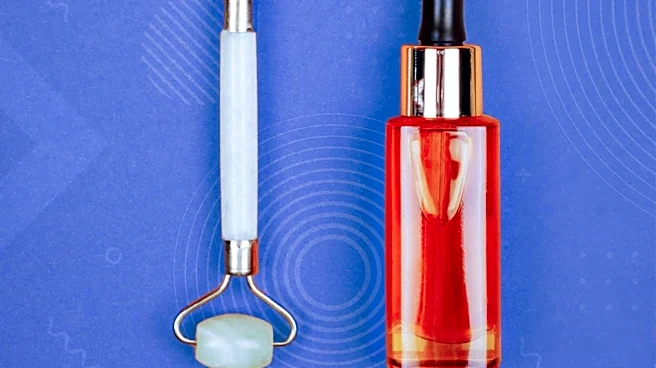
of K-beauty innovation, increased consumer demand for scientifically-backed skincare, and advancements in formulation technology. PDRN is known for its ability to stimulate fibroblast activity, promote collagen synthesis, and aid in tissue regeneration, making it a popular choice for anti-aging and skin repair treatments. The ingredient is now being incorporated into daily skincare products, such as the PDRN Capsule Cream available on Amazon, which combines PDRN with Vitamin C, Niacinamide, and Collagen Jelly. This shift from clinical to consumer use is part of a broader trend in the beauty industry, with PDRN-based products experiencing a 14.1% compound annual growth rate, significantly outpacing traditional cosmetics.
Why It's Important?
The introduction of PDRN into the U.S. skincare market represents a significant development in the beauty industry, highlighting the growing consumer interest in products that offer clinical-grade benefits. This trend underscores a shift towards more scientifically validated skincare solutions, which could influence the direction of product development and marketing strategies within the industry. As PDRN-based products gain popularity, they could potentially disrupt the traditional cosmetics market by setting new standards for efficacy and consumer expectations. This could lead to increased competition among skincare brands to incorporate similar high-performance ingredients, ultimately benefiting consumers with more effective skincare options.
What's Next?
As PDRN continues to gain traction in the U.S. market, it is likely that more brands will seek to incorporate this ingredient into their product lines. This could lead to a broader range of PDRN-based skincare products becoming available to consumers, further driving demand and innovation in the industry. Additionally, as consumers become more educated about the benefits of PDRN, there may be increased scrutiny on product claims and efficacy, prompting brands to invest in more rigorous testing and validation of their formulations. The success of PDRN in the U.S. market could also encourage other countries to adopt similar trends, potentially leading to a global shift in skincare preferences.
Beyond the Headlines
The rise of PDRN in the skincare industry also raises questions about the ethical sourcing and sustainability of ingredients derived from animal DNA. As demand for PDRN increases, there may be a need for more transparent and sustainable sourcing practices to ensure that the environmental impact is minimized. Additionally, the popularity of PDRN highlights the influence of K-beauty trends on the global beauty market, showcasing the power of cultural exchange in shaping consumer preferences and industry standards. This development could encourage further collaboration between international beauty brands and foster innovation through the sharing of knowledge and resources.