


What's Happening?
Liz Earle, a well-known wellness advocate, has been sharing her strength training routine focused on longevity, particularly emphasizing the importance of leg strength. Working with personal trainer Michael Garry for over a decade, Earle has developed
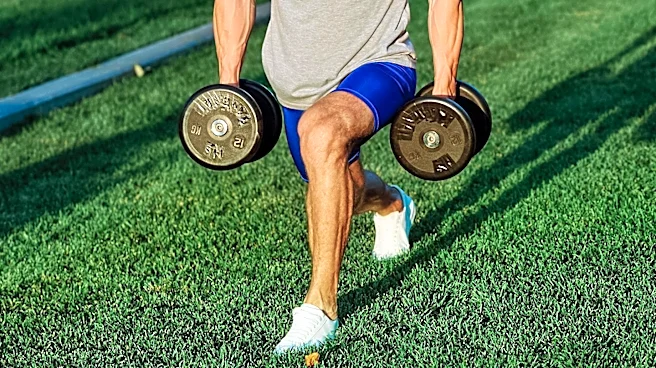
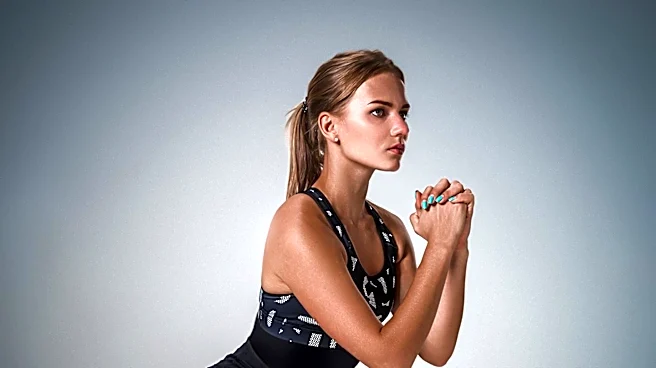
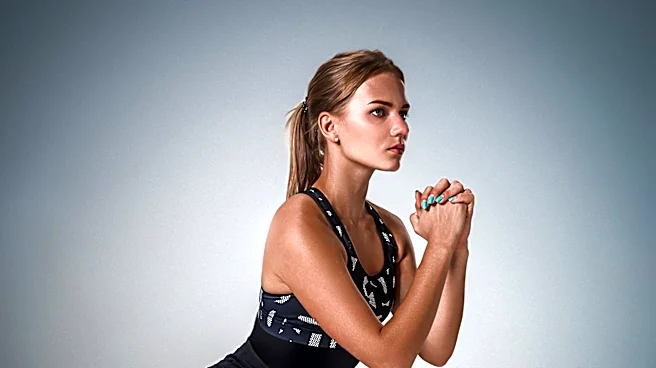
a regimen that includes three key squat variations: bodyweight squats, weighted squats, and jumping squats. These exercises are designed to enhance lower-body strength, which is crucial for maintaining mobility and bone health as one ages. Earle highlights the accessibility of these exercises, noting that they can be performed anywhere without the need for specialized equipment. Her approach is supported by research indicating that greater lower-body strength is associated with a reduced risk of mortality.
Why It's Important?
The emphasis on leg strength and simple exercises like squats reflects a broader trend in wellness towards functional fitness that supports aging populations. As the U.S. demographic shifts towards an older average age, maintaining mobility and independence becomes increasingly important. Earle's routine offers a practical solution for individuals seeking to improve their health without the need for expensive gym memberships or equipment. This approach not only promotes physical health but also encourages a proactive attitude towards aging, potentially reducing healthcare costs associated with age-related mobility issues.
What's Next?
As more individuals become aware of the benefits of strength training for longevity, it is likely that similar routines will gain popularity, especially among older adults. Fitness professionals may increasingly incorporate these exercises into their programs, and wellness brands might develop products and services catering to this demographic. Additionally, there could be a rise in community-based fitness initiatives aimed at promoting healthy aging through accessible exercise routines.
Beyond the Headlines
Earle's advocacy for simple, effective exercises highlights a cultural shift towards demystifying fitness and making it more inclusive. By sharing her routine publicly, she challenges the notion that fitness requires complex equipment or professional settings, thus democratizing access to health and wellness. This approach could inspire other wellness influencers to share their routines, fostering a community of shared knowledge and support.