






What's Happening?
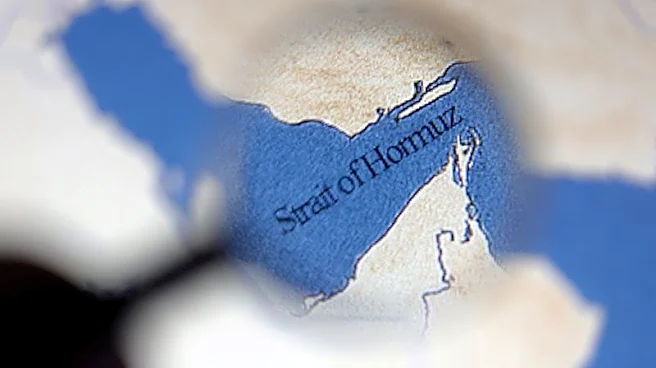
Federal Reserve Chair Jerome Powell is navigating economic challenges reminiscent of the 1970s oil shocks. Recent geopolitical tensions in the Middle East have led to a surge in oil prices, raising concerns about potential stagflation—a combination of high
inflation and stagnant economic growth. The U.S. and global economies, however, are better equipped to handle such shocks today due to increased energy efficiency and diversification of energy sources. The U.S. has significantly reduced its reliance on foreign oil, largely due to advancements in fracking technology, which has bolstered domestic energy production. Despite these improvements, the current situation remains challenging, with significant portions of global oil production disrupted.
Why It's Important?
The current oil price surge poses a significant risk to the global economy, potentially leading to increased inflation and economic slowdown. For the U.S., the situation tests the resilience of its energy policies and economic strategies. The Federal Reserve's response will be crucial in managing inflationary pressures without stifling economic growth. The situation underscores the importance of energy independence and the need for continued investment in alternative energy sources. Stakeholders, including policymakers and businesses, must navigate these challenges to mitigate economic impacts and ensure stability.
What's Next?
The Federal Reserve, under Powell's leadership, will likely continue to monitor the situation closely, adjusting monetary policies as needed to address inflationary pressures. Policymakers may also consider revisiting energy policies to further reduce reliance on oil and promote sustainable energy solutions. The global community may need to coordinate efforts to stabilize oil markets and ensure energy security. Businesses and consumers will need to adapt to potential changes in energy prices and availability.
Beyond the Headlines
The current situation highlights the long-term need for sustainable energy solutions and the potential vulnerabilities of relying heavily on oil. It also raises questions about the effectiveness of past and current energy policies and the role of government in promoting energy independence. The geopolitical aspects of oil supply disruptions further emphasize the interconnectedness of global economies and the need for international cooperation in addressing energy challenges.