



What's Happening?
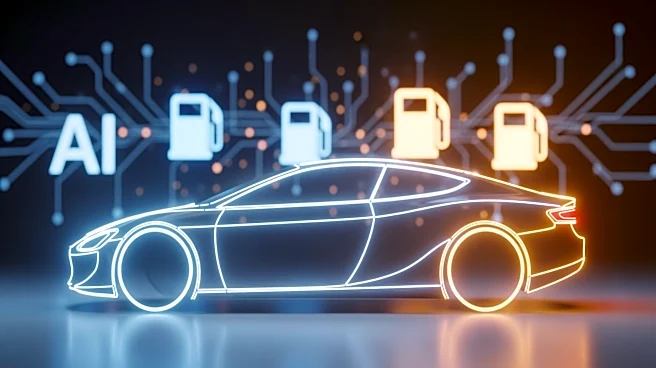
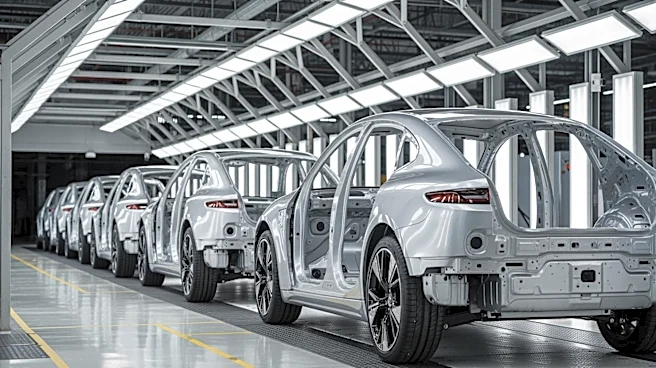
In a recent segment of 'Business in America,' NBC News' Christine Romans interviewed Mary Barra, the CEO of General Motors (GM), about the transformative effects of artificial intelligence (AI) on car manufacturing. Barra highlighted how AI is revolutionizing
production processes, enhancing efficiency, and potentially reshaping the automotive landscape. Additionally, she addressed the challenges posed by fluctuating gas prices, which impact consumer behavior and the company's strategic planning. The conversation also touched on the competitive pressures from China, a significant player in the global automotive market. Barra's insights provide a glimpse into how one of America's largest car manufacturers is navigating these complex issues.
Why It's Important?
The discussion with Mary Barra underscores the critical role of AI in the future of the automotive industry. As AI technology continues to evolve, it promises to enhance manufacturing efficiency, reduce costs, and improve vehicle performance. This technological shift is crucial for maintaining competitiveness in a global market increasingly dominated by innovation. Furthermore, the impact of gas prices on consumer preferences highlights the need for automakers to adapt their strategies, potentially accelerating the shift towards electric vehicles. GM's approach to these challenges will influence its market position and could set industry standards, affecting stakeholders from employees to investors and consumers.
What's Next?
As GM continues to integrate AI into its operations, the company may further invest in research and development to stay ahead of technological advancements. The ongoing volatility in gas prices could prompt GM to expedite its transition to electric vehicles, aligning with broader industry trends towards sustainability. Additionally, GM's strategies to counter competition from China will likely involve strengthening its global supply chain and exploring new markets. These developments will be closely watched by industry analysts and could have significant implications for the future of automotive manufacturing.