





What's Happening?
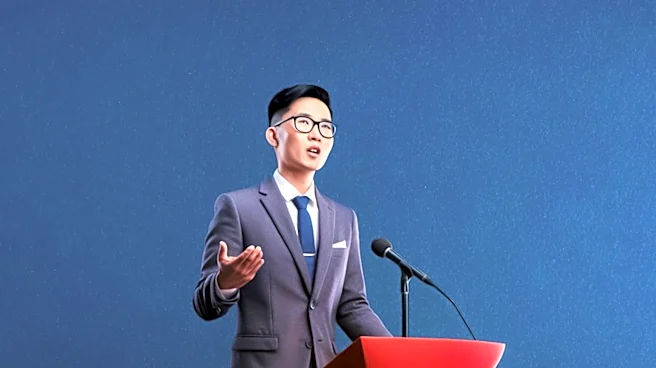
During Harvard's Class Day, comedian Ronny Chieng delivered a speech criticizing artificial intelligence (AI). Chieng, known for his role on 'The Daily Show,' expressed strong opposition to AI, urging students to 'destroy' it. He argued that AI is often
inaccurate and detracts from the creative process, particularly in fields like comedy writing. Chieng's remarks come amid a broader debate about AI's role in society, with some commencement speakers facing backlash for promoting AI as the future. His comments reflect a growing skepticism about AI's impact on creativity and employment.
Why It's Important?
Chieng's speech highlights a significant cultural and technological debate about AI's role in society. As AI continues to advance, it raises questions about its impact on jobs, creativity, and human interaction. Chieng's perspective resonates with those who fear AI could undermine creative industries by automating tasks traditionally performed by humans. This skepticism is part of a larger conversation about balancing technological progress with preserving human creativity and employment. The reaction to Chieng's speech underscores the divided opinions on AI's future role.
What's Next?
The debate over AI's role in society is likely to continue, with stakeholders from various sectors weighing in. Educational institutions may increasingly address AI's implications in their curricula, preparing students for a future where AI is prevalent. Meanwhile, industries reliant on creativity may explore ways to integrate AI without compromising human input. Public discourse will likely focus on finding a balance between leveraging AI's benefits and mitigating its potential drawbacks. Policymakers may also consider regulations to address ethical and employment concerns related to AI.