
What's Happening?
The U.S. is experiencing a significant increase in electricity demand, driven by the rapid expansion of digital infrastructure, particularly artificial intelligence and data centers. According to the U.S. Energy
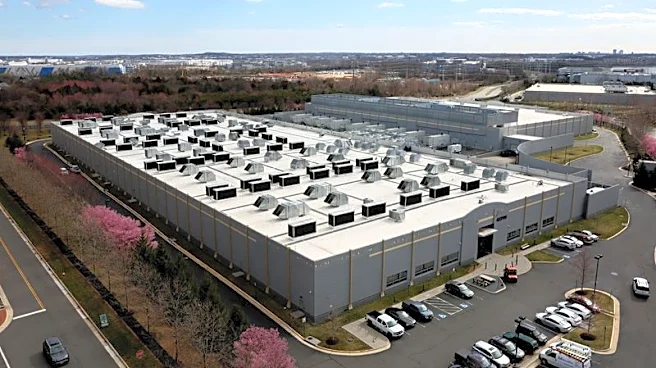
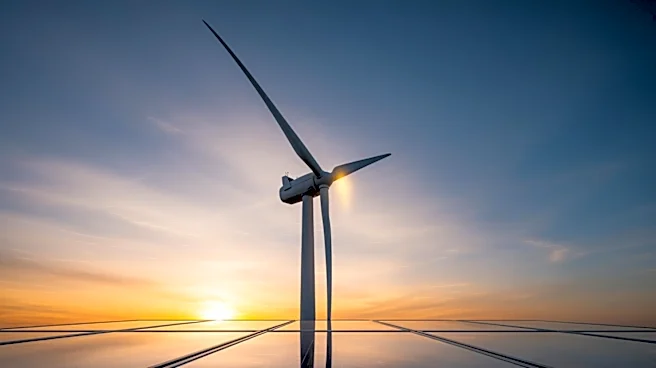
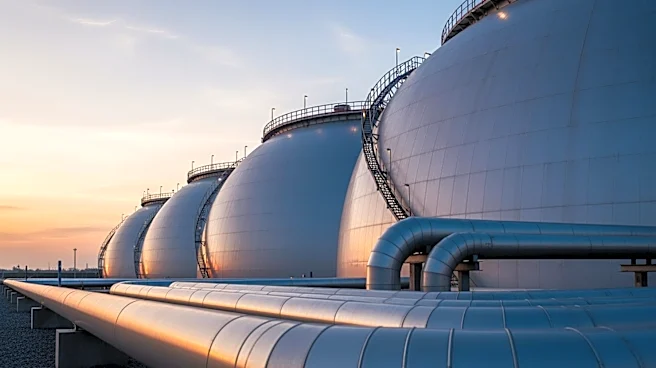
Information Administration, electricity consumption is expected to reach record highs in 2026 and 2027. This shift marks a departure from traditional demand cycles, as AI-driven computing requires continuous, high-density power loads. Data centers are becoming central drivers of electricity demand, necessitating 24/7, high-reliability power. The growing demand is creating a more persistent and less flexible demand base, impacting how the electricity system operates. While renewable energy sources are expanding, their intermittent nature does not always align with the constant power needs of data centers, leading to increased reliance on natural gas for reliability and flexibility.
Why It's Important?
The surge in electricity demand has significant implications for the U.S. energy market. As demand grows, it tightens the system, potentially leading to higher power prices during peak periods and increased market volatility. The need for reliable and flexible power sources becomes more critical, highlighting the importance of infrastructure, generation, storage, and transmission in market outcomes. This structural shift in electricity consumption patterns is reshaping power markets, influencing capital allocation, and creating new opportunities and constraints for investors and operators. The focus is now on how demand evolves and is reliably served, rather than solely on supply production and costs.
What's Next?
As electricity demand continues to rise, the energy sector may face challenges related to transmission constraints, interconnection delays, and permitting timelines. These factors will shape where and how new supply can be added. The ongoing shift in demand dynamics will require strategic investments in infrastructure and technology to ensure reliable power delivery. Stakeholders, including energy companies and policymakers, will need to address these challenges to maintain a stable and efficient energy market.