







What's Happening?
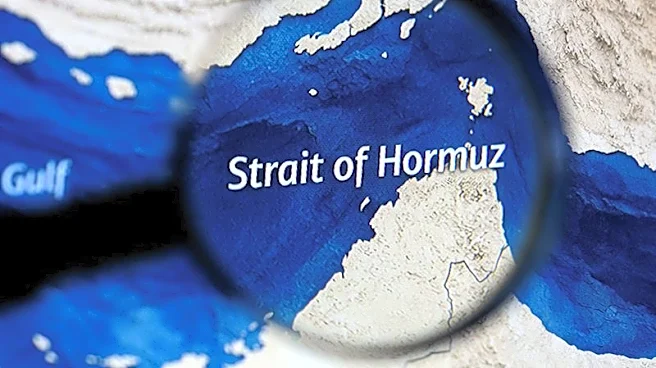
Retailers are increasingly warning that the ongoing conflict in the Middle East is leading to rising costs, which are expected to be passed on to consumers. The conflict has resulted in higher energy prices and disrupted shipping routes, impacting global
supply chains. Next, a prominent retailer, has explicitly stated its intention to raise prices if these disruptions continue. Despite a 6.2% increase in sales year-on-year, Next plans to offset the £47 million loss incurred due to the Iran war and global supply chain issues by increasing costs for international customers. The company aims to minimize the impact on UK and European consumers through operational savings. Other retailers, such as H&M, have also expressed concerns about the geopolitical instability in the Middle East, which could lead to additional cost pressures. The broader industry trend indicates that prolonged disruptions could result in a 'price shock' as escalating fuel costs and shipping delays increase the overall cost of moving goods.
Why It's Important?
The potential price increases due to the Middle East conflict and supply chain disruptions have significant implications for both retailers and consumers. Retailers are facing higher operating costs, which are difficult to absorb indefinitely, leading to the likelihood of passing these costs onto consumers. This situation is particularly challenging for discretionary retailers, such as those in the fashion industry, where margins are already tight, and demand is sensitive to price changes. The ongoing disruptions add uncertainty to an already fragile consumer environment, where cost-of-living issues and a contracting labor market are putting pressure on household finances. As more retailers prepare to pass rising costs onto consumers, the economic impact could be widespread, affecting consumer spending and potentially leading to inflationary pressures.
What's Next?
As the conflict in the Middle East shows little sign of easing, retailers are likely to continue facing challenges related to higher transport costs and supply chain unpredictability. Many businesses are attempting to absorb these costs or offset them through efficiencies, but the direction of travel is clear. More retailers are expected to follow Next's lead in raising prices to protect margins. This trend could lead to increased inflationary pressures, affecting consumer spending and economic stability. Stakeholders, including policymakers and industry leaders, may need to consider strategies to mitigate the impact on consumers and ensure the resilience of supply chains in the face of geopolitical instability.