





What's Happening?
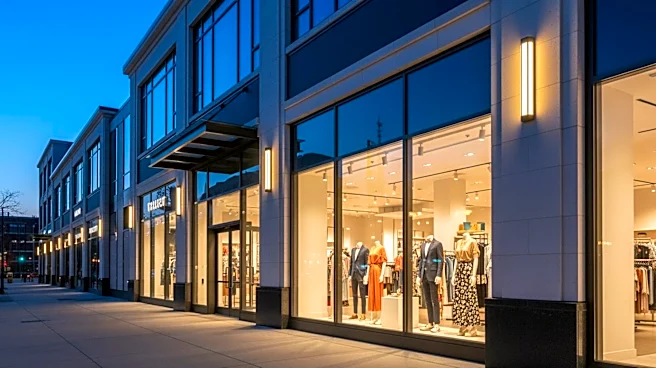
Retail media networks (RMNs) are focusing on in-store media to drive revenue and enhance customer experience. Companies like Costco are using their physical stores as core media assets, attracting millions of shoppers monthly. The success of RMNs depends
on how well they integrate media with merchandising to improve the in-store experience. Despite the rise of AI and digital commerce, physical stores remain valuable for their sensory context and real-time product proximity. However, the alignment between media and merchandising teams is crucial to avoid internal conflicts and maximize the potential of in-store media.
Why It's Important?
The strategic use of in-store media by RMNs highlights the ongoing importance of physical retail spaces in the digital age. By leveraging their owned media assets, retailers can create a more engaging shopping experience that drives sales and customer satisfaction. This approach also allows retailers to maintain control over their brand messaging and customer interactions. The focus on aligning media and merchandising teams is essential to ensure that advertising efforts do not detract from the customer experience. As retailers continue to navigate the challenges of integrating digital and physical retail, those that successfully balance these elements will likely see increased profitability and customer loyalty.
What's Next?
Retailers will need to continue developing strategies to integrate in-store media with their overall marketing efforts. This may involve investing in technology and infrastructure to support digital displays and interactive experiences within stores. Additionally, retailers will need to foster collaboration between media and merchandising teams to ensure a cohesive approach to customer engagement. As the retail landscape evolves, businesses that can effectively utilize their physical spaces as media assets will be better positioned to compete in a market increasingly influenced by digital innovation.