

What's Happening?
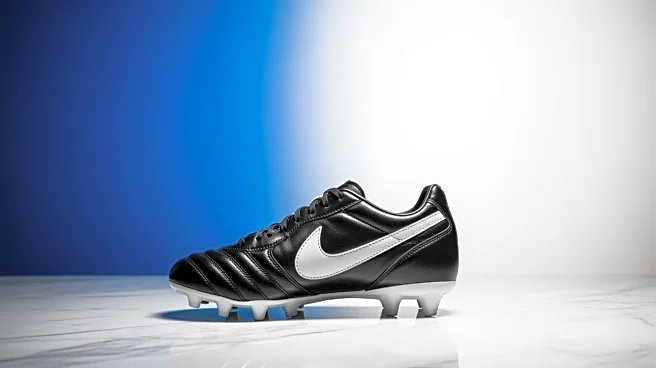
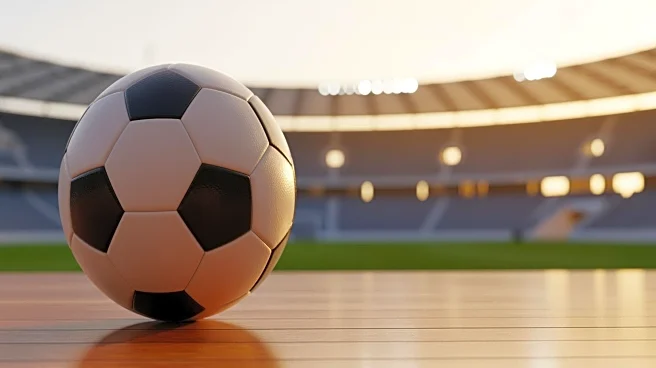
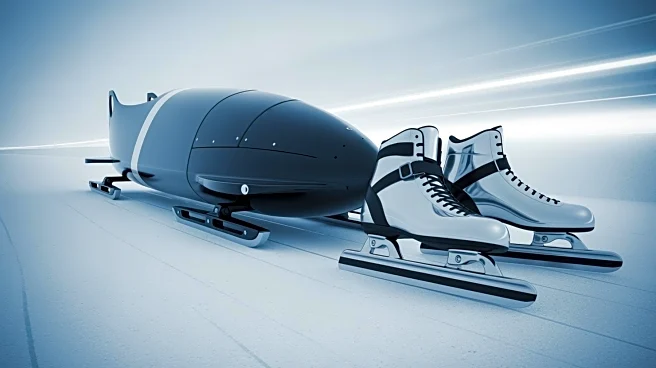
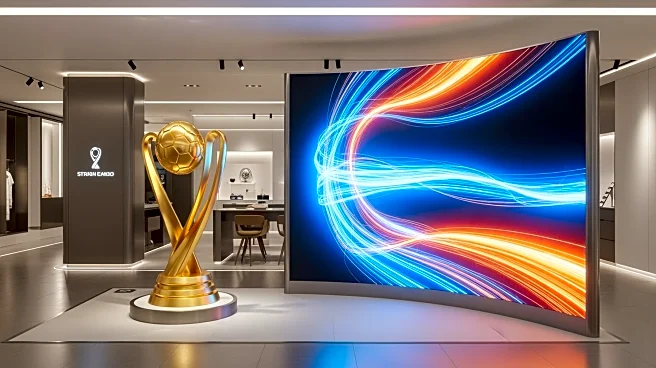
In 2026, the sports industry is preparing for a significant year with major events like the FIFA World Cup and the Winter Olympics. The World Cup will be hosted by the U.S., Canada, and Mexico, featuring 48 national teams, marking a historic expansion. The Winter Olympics will take place in Milan, a city known for its fashion influence. Brands are leveraging these events for marketing rather than direct sales, with companies like Nike and Adidas planning significant campaigns. Nike is set to sponsor Team USA and will use the Olympics to relaunch its Nike ACG line, while Adidas, the official World Cup partner, is focusing on soccer as a lifestyle. Retailers like Dick's Sporting Goods are engaging with athletes through ambassador programs, and Foot
Locker is planning activations around the NBA All-Star Weekend.
Why It's Important?
These events present substantial marketing opportunities for brands to enhance their visibility and connect with consumers. The World Cup's expansion reflects soccer's growing popularity in the U.S., potentially influencing consumer interest in soccer-related products. The Winter Olympics in Milan offers a unique blend of sports and fashion, allowing brands to showcase innovative products. For retailers, these events are a chance to engage with communities and build brand loyalty. The strategic marketing efforts around these events could lead to increased brand recognition and consumer engagement, impacting sales in the long term.
What's Next?
As the events approach, brands will likely intensify their marketing efforts, unveiling new products and campaigns. Retailers may host community events and activations to capitalize on the excitement. The success of these strategies will depend on consumer engagement and the ability of brands to create memorable experiences. The outcomes of these events could influence future marketing strategies and product development, particularly in the sports and fashion industries.
Beyond the Headlines
The convergence of sports and fashion during these events highlights a cultural shift where athletic wear is increasingly seen as a lifestyle choice. This trend could lead to more collaborations between sports brands and fashion designers, further blurring the lines between the two industries. Additionally, the focus on community engagement by retailers suggests a growing emphasis on building local connections, which could redefine retail strategies in the future.