


What's Happening?
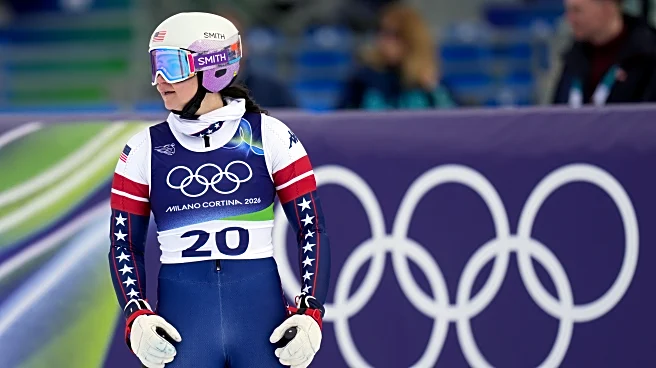
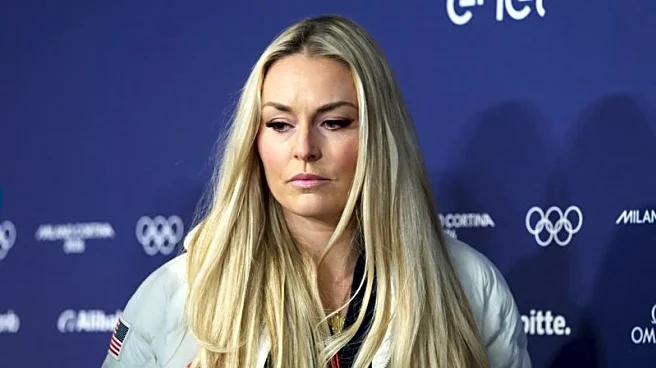
Legendary Olympic snowboarder Shaun White, while commentating on the 2026 Winter Olympics opening ceremony for NBC, expressed his admiration for U.S. skier Lindsey Vonn. Despite a recent ACL rupture during a World Cup race in Switzerland, Vonn has returned to training runs, showcasing her determination to compete in what could be her final Olympics. White, who has been Vonn's teammate in past Olympic games, highlighted her legendary status and resilience, noting her history of knee injuries and surgeries. Vonn's coach, Aksel Lund Svindal, praised her cautious approach during training, emphasizing her strategic skiing without taking significant risks. Vonn confirmed on social media that her ACL is completely ruptured, countering speculation about
the extent of her injury.
Why It's Important?
Lindsey Vonn's swift return to training after a severe injury underscores the importance of resilience and active recovery in professional sports. Her determination to compete despite physical setbacks serves as an inspiration to athletes facing similar challenges. Vonn's situation also highlights the rigorous demands and risks associated with competitive skiing, where injuries are common. Her potential participation in the Olympics could boost viewership and interest in the games, given her status as a prominent figure in winter sports. Additionally, her story may influence discussions on athlete health management and recovery strategies, emphasizing the need for effective rehabilitation programs.
What's Next?
As Vonn continues her recovery, her performance in upcoming training sessions will be closely monitored by fans and sports analysts. Her ability to compete in the 2026 Winter Olympics will depend on her physical condition and the effectiveness of her rehabilitation. Stakeholders, including sponsors and the U.S. Olympic team, will be keenly interested in her progress, as her participation could impact team dynamics and media coverage. Vonn's journey may also prompt discussions on the support systems available to athletes recovering from injuries, potentially influencing future policies and practices in sports medicine.