
What's Happening?
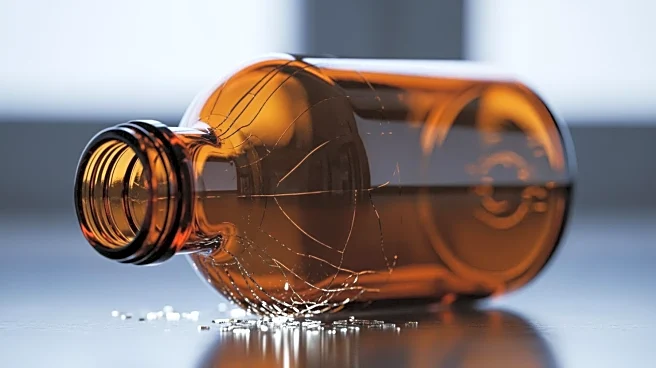
The Food Standards Agency (FSA) has issued a recall for 700ml bottles of Disaronno Originale, an almond-flavored liquor, due to concerns about potential glass contamination. The recall affects bottles sold
in England and Scotland, with the FSA warning that small pieces of glass may be present in some bottles, posing a safety risk to consumers. The recall notice, posted on the FSA's website, identifies seven specific batches that could be affected. Illva Saronno, the parent company of the brand, is responsible for the recall. This action follows a similar recall notice issued in the Republic of Ireland for the same product and issue. Consumers are advised to check the batch numbers on their bottles and return any affected products to the point of sale for a refund or replacement.
Why It's Important?
This recall is significant as it highlights the ongoing challenges in ensuring product safety in the food and beverage industry. The presence of glass in consumable products poses a serious health risk, potentially leading to injuries if ingested. Such recalls can impact consumer trust and brand reputation, leading to financial losses for the company involved. Additionally, it underscores the importance of stringent quality control measures in manufacturing processes to prevent contamination. For consumers, this recall serves as a reminder to remain vigilant about product safety notices and to take appropriate action when necessary. The incident also emphasizes the role of regulatory bodies like the FSA in safeguarding public health by monitoring and addressing potential hazards in food and drink products.
What's Next?
Affected consumers are encouraged to return the recalled bottles to the place of purchase for a refund or replacement. Retailers will display recall notices at points of sale to inform customers about the issue and the steps to take. Illva Saronno may need to conduct a thorough investigation into the manufacturing process to identify and rectify the cause of the contamination. This could involve reviewing and enhancing quality control protocols to prevent future occurrences. The company might also engage in public relations efforts to reassure consumers and restore confidence in their brand. Regulatory agencies will likely continue to monitor the situation to ensure compliance with safety standards and to prevent similar incidents in the future.