





What's Happening?
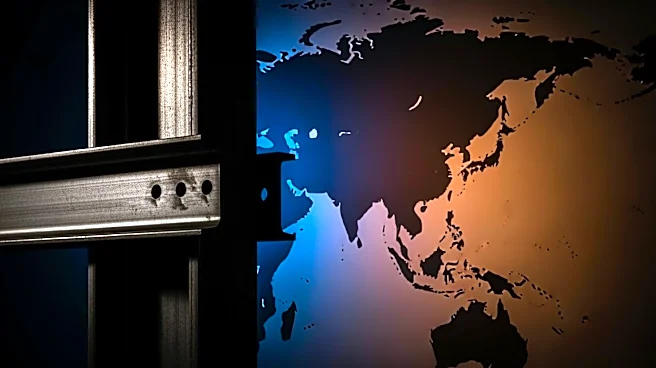
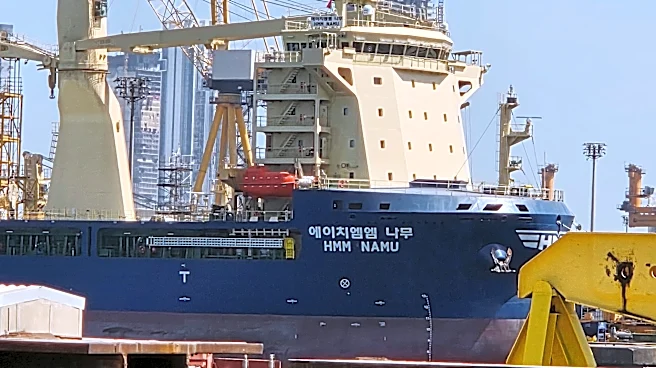
The ongoing conflict in Iran and disruptions in the Strait of Hormuz are significantly impacting the beauty industry, affecting both indie brands and large conglomerates. Shipping delays, increased freight and fuel costs, and rising oil prices are inflating
the costs of packaging and raw materials. Companies like Shiseido and E.l.f. Beauty are reporting substantial financial impacts, while smaller brands face even greater challenges due to tighter margins and less flexibility. The situation is exacerbating existing supply chain issues and forcing brands to reconsider their sourcing and production strategies.
Why It's Important?
The beauty industry's reliance on global supply chains makes it particularly vulnerable to geopolitical conflicts and economic disruptions. The increased costs and delays are likely to affect product availability and pricing, impacting consumers and retailers. For indie brands, which often operate with limited resources, these challenges could threaten their viability. The situation highlights the need for the industry to diversify supply chains and explore sustainable alternatives to reduce dependency on volatile regions. The conflict also underscores the broader economic implications of geopolitical tensions on global industries.
What's Next?
As the conflict continues, beauty brands may need to adapt by seeking alternative suppliers, investing in sustainable packaging, or adjusting pricing strategies to mitigate the impact of rising costs. Companies might also explore local production options to reduce reliance on international shipping routes. The industry could see increased collaboration and innovation in developing eco-friendly and cost-effective solutions. Policymakers and industry leaders may need to engage in dialogue to address the challenges and support the industry's resilience in the face of geopolitical uncertainties.