










What's Happening?
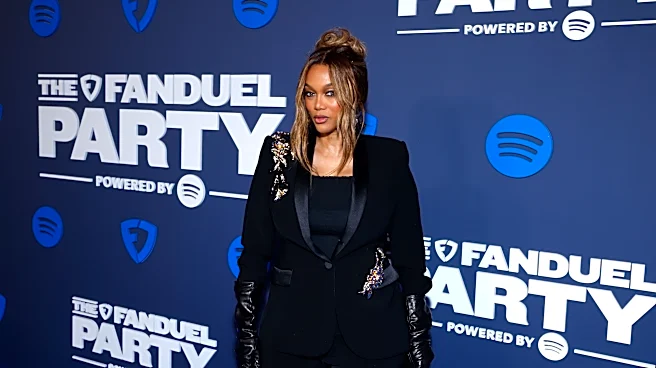
Tyra Banks, the host and creator of America's Next Top Model, has filed a defamation lawsuit against Netflix. The lawsuit concerns the documentary 'Reality Check: Inside America’s Next Top Model,' which Banks claims misrepresented her through selective
editing and omission. According to the lawsuit, the documentary manipulated a three-hour interview with Banks to create a false narrative, including allegations that she knowingly allowed a contestant to be sexually assaulted on the show and exploited the incident for ratings. Banks also contends that she was unaware of the involvement of Cycle 2 contestant Shandi Sullivan, who claimed to have been assaulted on the show. The lawsuit further states that Banks was not given the opportunity to view the final documentary until a day before its release, and only 16 minutes of her interview were used. Additionally, Banks argues that the documentary misrepresented her attempts to contact Miss Jay Alexander after his stroke in 2022, failing to include her efforts to reach out while she was living in Australia.
Why It's Important?
This lawsuit highlights ongoing concerns about the ethics of documentary filmmaking, particularly regarding the portrayal of individuals and the potential for selective editing to create misleading narratives. For Tyra Banks, a prominent figure in the entertainment industry, the case underscores the reputational risks associated with media portrayals. The outcome of this lawsuit could have broader implications for how documentaries are produced and the legal responsibilities of filmmakers to ensure accurate representation. It also raises questions about the balance between creative freedom and factual integrity in documentary storytelling. The case could influence future legal standards and industry practices, potentially leading to more stringent guidelines for documentary content involving public figures.
What's Next?
The legal proceedings will likely involve a detailed examination of the documentary's production process, including the editing decisions and the context of the interviews conducted. Both parties may present evidence to support their claims, and the court's decision could set a precedent for similar cases in the future. Stakeholders in the entertainment industry, including producers, directors, and legal experts, will be closely monitoring the case for its potential impact on documentary filmmaking standards. Depending on the outcome, there may be increased scrutiny on how documentaries handle sensitive topics and the portrayal of individuals, potentially leading to changes in industry practices and legal frameworks.