
What's Happening?
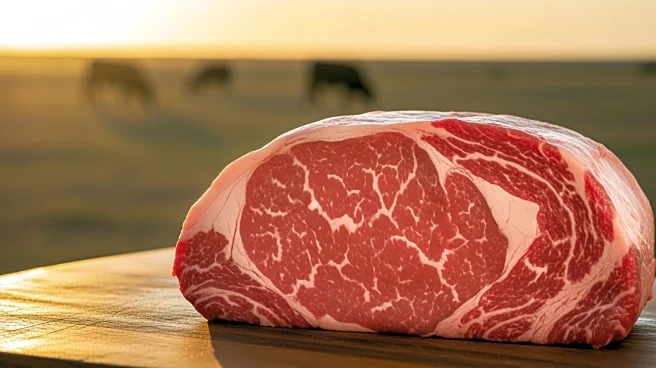
Beef prices in the United States have risen by double digits in 2025, driven by persistent food price inflation. This increase is attributed to the domestic cattle population reaching its lowest level
since 1973. The decline in cattle numbers has exacerbated the cost of beef, making it more expensive for consumers to purchase. This trend is part of a broader pattern of rising food costs that have been affecting households across the country, making it increasingly challenging for families to afford basic groceries.
Why It's Important?
The surge in beef prices has significant implications for both consumers and the agricultural industry. For consumers, the increased cost of beef adds to the financial burden of maintaining a balanced diet, particularly for families that rely on beef as a staple protein source. For the agricultural sector, the declining cattle population signals potential challenges in meeting demand, which could lead to further price increases. This situation may prompt discussions on sustainable farming practices and the need for policy interventions to stabilize the cattle industry and food prices.
What's Next?
As beef prices continue to rise, stakeholders in the agricultural sector may seek government support to address the declining cattle population. This could involve initiatives to boost cattle farming or incentives for sustainable practices. Additionally, consumers might shift their dietary preferences towards more affordable protein sources, impacting market dynamics. Policymakers may also consider measures to curb food inflation and support low-income families affected by rising grocery costs.